5 Fascinating Facts About Clownfish That Will Make You Want One as a Pet
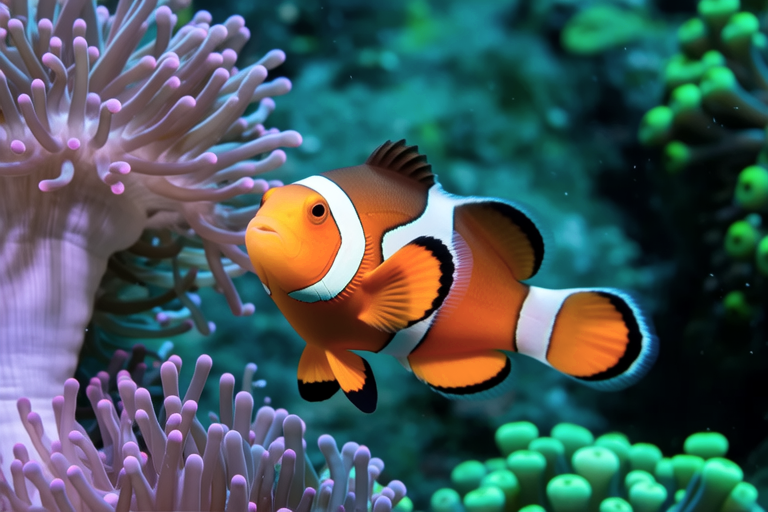
Clownfish, also known as anemonefish, have long been a favorite among marine enthusiasts due to their vibrant colors and playful personalities. These small, colorful fish have captivated the hearts of many with their unique behaviors and striking appearance. In this article, we will explore five fascinating facts about clownfish that might just convince you to bring one home as your next pet. From their quirky habits to their dietary preferences, we’ll dive deep into what makes these little creatures so special.
Fact 1: Clownfish Have a Unique Relationship With Anemones
The most iconic feature of clownfish is their symbiotic relationship with sea anemones. While many fish avoid anemones due to their stinging tentacles, clownfish have developed a special mucus layer that protects them from the anemone’s toxins. This relationship is mutually beneficial; the anemone provides shelter and protection for the clownfish, while the clownfish helps to keep the anemone clean by eating any parasites or dead tissue. Additionally, the clownfish’s constant movement around the anemone helps to circulate water, bringing oxygen and nutrients to the anemone’s tissues. To replicate this relationship in an aquarium, it’s essential to provide a suitable anemone or alternative hiding spots like live rock or PVC pipes. Ensure that the tank is large enough to accommodate both the clownfish and the anemone, typically at least 30 gallons for a pair of clownfish and an anemone.
Fact 2: Clownfish Exhibit Complex Social Behavior
Clownfish are social creatures that live in groups within their anemone homes. These groups usually consist of a dominant female, a dominant male, and several smaller males. The hierarchy within the group is strict, with the largest fish being the dominant female. Interestingly, if the dominant female dies, the largest male will quickly change sex and become the new dominant female. This ability to change gender is called sequential hermaphroditism and is rare in the animal kingdom. When considering clownfish as pets, it’s important to note that they thrive in pairs or small groups. Keeping just one clownfish can lead to loneliness and stress, which may result in poor health. For optimal well-being, ensure that your aquarium has ample space and hiding spots for multiple clownfish.
Fact 3: A Varied Diet Supports Their Vibrant Colors
Clownfish are omnivores, meaning they eat both plant and animal matter. In the wild, their diet consists mainly of algae, zooplankton, and small invertebrates. However, in captivity, it’s crucial to offer a balanced diet to maintain their vibrant colors and overall health. High-quality flake foods, pellets, and frozen or freeze-dried brine shrimp, mysis shrimp, and bloodworms are excellent choices. Feeding your clownfish once or twice daily is sufficient, but be cautious not to overfeed them, as excess food can pollute the water. Additionally, incorporating fresh vegetables such as spirulina flakes or nori sheets can help promote healthy growth and coloration. Proper nutrition ensures that your clownfish remain active and colorful, enhancing their beauty in your aquarium.
Fact 4: Clownfish Are Generally Peaceful and Compatible With Other Fish
One of the reasons why clownfish make great pets is their peaceful nature. They rarely show aggression towards other fish species, making them ideal companions for community tanks. However, it’s important to choose tank mates carefully to avoid territorial disputes. Clownfish tend to get along well with other peaceful species like damsels, tangs, and wrasses. Avoid housing them with larger, more aggressive fish that might bully or eat them. It’s also worth noting that clownfish can be territorial within their own species, so introducing new clownfish to an established group should be done gradually to minimize conflicts. To create a harmonious environment, ensure that your aquarium has plenty of hiding spots and open swimming areas to reduce stress and competition.
Fact 5: Care Requirements for Happy and Healthy Clownfish
Maintaining the right water conditions is crucial for keeping clownfish happy and healthy. Clownfish prefer slightly acidic water with a pH between 7.8 and 8.4 and a temperature range of 76 to 82 degrees Fahrenheit. Regular water changes and proper filtration are necessary to keep the water clean and free from harmful substances. Additionally, clownfish require strong water currents to simulate their natural environment. Installing powerheads or wavemakers can help achieve this. It’s also essential to provide adequate lighting, as clownfish are diurnal and need light to thrive. LED lights with a full spectrum are recommended for simulating natural daylight cycles. By following these care guidelines, you can ensure that your clownfish live long and healthy lives in your aquarium.
Conclusion
Clownfish are truly remarkable creatures with fascinating behaviors and unique characteristics that make them appealing as pets. From their symbiotic relationship with anemones to their complex social structures, there’s always something new to discover about these charming fish. By understanding their specific needs and providing a suitable environment, you can enjoy the company of these delightful creatures for years to come. Before bringing home a clownfish, however, it’s essential to research and prepare adequately to ensure responsible ownership. Consider visiting local aquarium clubs or forums to learn more about best practices and connect with experienced hobbyists who can offer valuable advice. With proper care and attention, your clownfish will bring joy and wonder to your home for many years.
