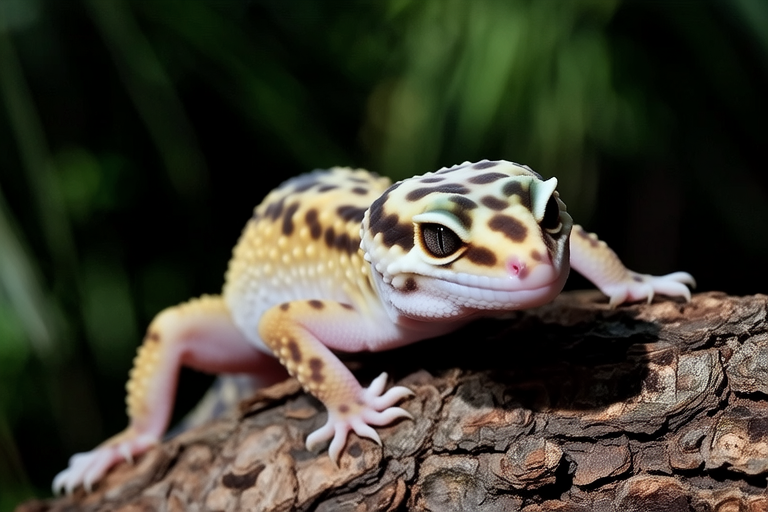
Chameleon Color-Changing Abilities: Fact vs. Fiction
Chameleons have long captured the imagination of people worldwide with their remarkable ability to change colors. These fascinating reptiles are often depicted in popular culture as creatures that can blend into any environment at will. However, the reality is more complex and intriguing than the myths suggest. Let’s delve into the truth behind chameleon color-changing abilities, explore the science behind it, and uncover the various purposes for which these animals use their unique talent.
The Myth of Instant Camouflage
One of the most widespread misconceptions about chameleons is that they can instantly change their skin color to match their surroundings, much like a magician pulling a rabbit out of a hat. This belief has been perpetuated in cartoons and movies, where chameleons are shown seamlessly blending into trees, rocks, and even the air. In reality, chameleons do not possess the ability to become invisible or perfectly mimic every background.
Instead, their color changes serve multiple purposes beyond mere camouflage. While chameleons can alter their appearance to some extent to blend in with their environment, this process takes time and is influenced by various factors, including mood, temperature, and light conditions. Research conducted by Dr. Devi Stuart-Fox and her team at the University of Melbourne revealed that chameleons use color changes primarily for communication and thermoregulation rather than solely for hiding from predators.
The Science Behind Chameleon Color Changes
To understand how chameleon color changes work, we need to look beneath their skin. Chameleons have specialized cells called chromatophores, which contain pigments responsible for producing different colors. These cells are arranged in layers within the skin:
- Xanthophores: Contain yellow pigments.
- Erythrophores: Contain red pigments.
- Iridophores: Reflect light and create structural colors like blue and green.
When a chameleon wants to change its color, it can expand or contract these pigment-containing cells, altering the amount of light reflected off its skin. By manipulating the position and density of these cells, chameleons can produce a wide range of hues, from bright greens and blues to deep browns and blacks.
In addition to pigments, chameleons also have a layer of guanine crystals beneath their skin. These crystals reflect light in different ways depending on their arrangement, allowing chameleons to produce iridescent colors without relying solely on pigments. This mechanism enables them to display vibrant shades that would be impossible to achieve through pigmentation alone.
Recent studies have shown that chameleons can change color up to 25 times faster than previously thought. Researchers used high-speed cameras to capture these rapid transformations, revealing that the process involves the expansion and contraction of specialized cells called iridophores. These cells contain tiny structures called nanocrystals, which reflect light in different ways when they expand or contract. By adjusting the spacing between these nanocrystals, chameleons can produce an impressive array of colors in a matter of seconds.
Temperature Regulation and Communication
Chameleons use their color-changing abilities for more than just blending into their surroundings. One of the primary functions of their color changes is thermoregulation, which helps them maintain optimal body temperature. Like all ectothermic animals (cold-blooded), chameleons rely on external sources of heat to regulate their internal temperature. By changing their skin color, they can absorb or reflect sunlight more efficiently.
For example, when a chameleon needs to warm up, it may darken its skin to absorb more heat from the sun. Conversely, if it becomes too hot, it may lighten its skin to reflect excess heat and cool down. This adaptation allows chameleons to thrive in a wide range of environments, from arid deserts to lush rainforests.
Another crucial purpose of chameleon color changes is communication. Just as humans use facial expressions, body language, and vocalizations to convey emotions and intentions, chameleons rely on their color-changing abilities to communicate with other members of their species. These signals can convey a variety of messages, such as aggression, submission, courtship, and territoriality.
During mating rituals, male chameleons often display striking patterns of bright colors to attract females. For instance, the panther chameleon (Furcifer pardalis) from Madagascar uses a combination of vibrant blues, oranges, and yellows to signal its readiness for reproduction. Female chameleons, on the other hand, may respond with specific color patterns to indicate whether they are receptive to mating or not. If a female is not interested, she might display darker colors to discourage further advances.
Aggression is another common reason for chameleons to change color. When two males encounter each other, especially during the breeding season, they may engage in elaborate displays of color to establish dominance. The male with the brightest and most intense colors usually wins the contest, while the loser retreats or submits. This behavior helps prevent unnecessary physical confrontations and reduces the risk of injury.
Mating and Defense
Chameleons employ their color-changing abilities in various situations related to mating and defense. As mentioned earlier, males use vivid colors to attract mates and intimidate rivals. However, females also play an active role in this process. They can signal their receptivity or rejection of a potential mate through subtle shifts in color. For example, a female chameleon might display lighter colors to indicate her willingness to mate or darker tones to discourage unwanted attention.
Defense mechanisms are another area where chameleons utilize their color-changing skills. When threatened by predators, some species of chameleons may adopt a darker or more subdued coloration to blend in with their surroundings. Others may flash bright colors as a warning sign, indicating that they are toxic or dangerous to eat. This strategy, known as aposematism, helps deter predators by making the chameleon appear less appetizing.
For instance, the veiled chameleon (Chamaeleo calyptratus) from Yemen and Saudi Arabia is known for its ability to change from dull brown to bright green when threatened. This transformation serves both as a form of camouflage and a warning signal to potential predators. Similarly, the Jackson’s chameleon (Trioceros jacksonii) from Kenya and Tanzania uses its distinctive tri-horned head and bright green hues to ward off threats.
Conclusion
While chameleons cannot instantly transform into any background at will, their color-changing abilities remain one of nature’s most fascinating phenomena. Far from being simple camouflagers, these reptiles use their unique talents for a variety of purposes, including thermoregulation, communication, and defense. By understanding the science behind chameleon color changes and appreciating their true capabilities, we gain a deeper appreciation for these incredible creatures and the intricate ways they interact with their environment.
Next time you see a chameleon in action, take a moment to observe its vibrant hues and consider the many roles they play in the animal’s life. Whether it’s displaying bright colors to attract a mate or darkening its skin to regulate its body temperature, the chameleon’s color-changing abilities are a testament to the wonders of evolution and the complexity of the natural world.
