Adorable Oracular Felines: Discovering the Charm of Orange Cats
Orange cats have long been celebrated for their striking appearance and gentle demeanor. Their vibrant coats and endearing personalities have captured the hearts of many across various cultures and civilizations. This article delves into the historical and cultural significance of orange cats, explores their distinctive physical traits, personalities, and common health issues, and offers tips for potential owners.
Historical and Cultural Significance
Throughout history, orange cats have held significant roles in diverse cultures. In ancient Egypt, cats were revered as sacred animals, believed to be protectors of the home and bringers of good fortune. The Egyptians often depicted cats in their art, and some believe that orange cats were favored due to their resemblance to the sun’s golden hue, symbolizing warmth and vitality.
In Norse mythology, the goddess Freyja, associated with love, fertility, and war, was often accompanied by two orange tabby cats named Bygul and Trjegul. These cats were said to pull her chariot, further cementing the association between orange cats and divine protection and guidance.
During the Middle Ages, orange cats were sometimes seen as omens or oracles, capable of predicting the future. Their ability to sense changes in the environment, such as impending storms or the arrival of strangers, added to their mystique and earned them the nickname “oracular felines.”
Distinctive Physical Traits
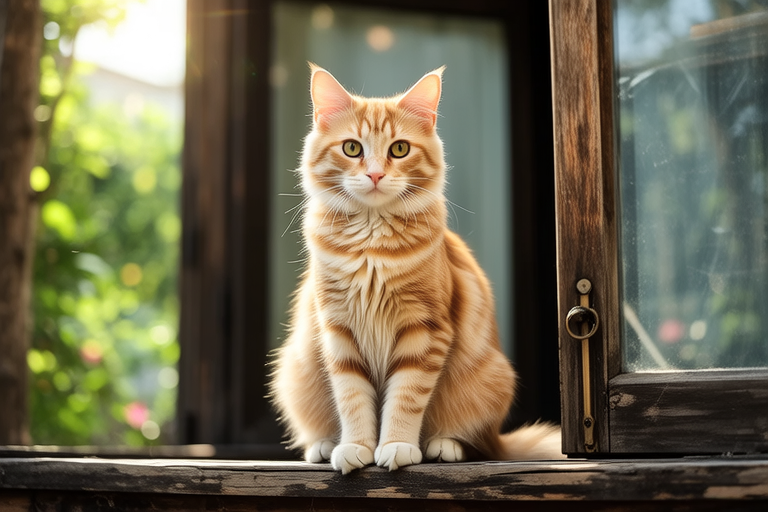
Orange cats, also known as ginger or marmalade cats, are distinguished by their rich, warm fur color. This coloring is caused by a genetic mutation that results in the production of a pigment called pheomelanin, which gives their coat its distinct reddish-orange hue. While orange cats can come in various patterns, including solid, tabby, and calico, the most common is the tabby pattern, featuring dark stripes against a lighter background.
Orange cats typically have green eyes, though some may have blue or hazel eyes. Their eyes contribute to their charming appearance and help them blend into their surroundings, making them excellent hunters.
Personality and Intelligence
Orange cats are often described as affectionate, playful, and intelligent. They tend to be more sociable than other cat breeds, enjoying the company of humans and other pets. Their curiosity and inquisitive nature make them great companions for interactive play and learning experiences.
Studies have shown that orange cats are particularly adept at problem-solving tasks, demonstrating their cognitive abilities. For instance, a study published in the journal Animal Cognition found that orange cats could navigate mazes more efficiently than cats of other colors, showcasing their sharp instincts and quick thinking.
Common Health Issues
While orange cats are generally healthy, they may be predisposed to certain conditions. One common issue is obesity, which can lead to various health problems, including diabetes and joint issues. Maintaining a balanced diet and regular exercise is crucial for keeping your orange cat fit and healthy.
Another concern is the risk of hypertrophic cardiomyopathy (HCM), a type of heart disease. Regular veterinary check-ups and early detection can help manage this condition effectively. Additionally, orange cats may be more prone to skin allergies, so it’s important to monitor their skin for any signs of irritation and consult a veterinarian if necessary.
Anecdotes and Unique Behaviors
Many owners share stories of their orange cats’ unique behaviors and intelligence. One owner recounted how their cat, named Whiskers, learned to open cabinet doors to retrieve treats, displaying remarkable dexterity and problem-solving skills. Another owner noted that their cat, Luna, had a knack for predicting thunderstorms, often seeking shelter before the first clap of thunder.
These anecdotes highlight the emotional intelligence and adaptability of orange cats, making them beloved members of households worldwide.
Tips for Potential Owners
When considering adopting an orange cat, there are several factors to keep in mind to ensure a happy and healthy life for both you and your pet. First, provide a stimulating environment filled with toys and scratching posts to encourage physical activity and mental engagement. Interactive play sessions can help bond with your cat and keep them entertained.
Feeding your orange cat a balanced diet is essential for maintaining their health. Consult with a veterinarian to determine the appropriate food and portion sizes based on your cat’s age, weight, and activity level. Regular grooming is also important, especially for long-haired orange cats, to prevent matting and ensure their coat remains soft and shiny.
Orange cats are adaptable to various living environments but thrive in homes where they receive plenty of attention and interaction. They can live comfortably in apartments, houses, and even multi-pet households, provided they have access to safe outdoor spaces when desired.
The Cherished Companions
Orange cats are cherished companions for their charm, adaptability, and affectionate nature. Their vibrant coats and expressive eyes make them visually appealing, while their intelligence and social tendencies make them delightful companions. Whether you’re a seasoned cat owner or considering adding a feline friend to your family, an orange cat can bring joy, comfort, and endless entertainment.
By understanding their unique characteristics and providing proper care, you can enjoy a rewarding relationship with your orange cat. Embrace their quirks and appreciate the special bond you share, knowing that you’ve chosen a truly special companion.
