5 Surprising Facts About Arowana You Need to Know
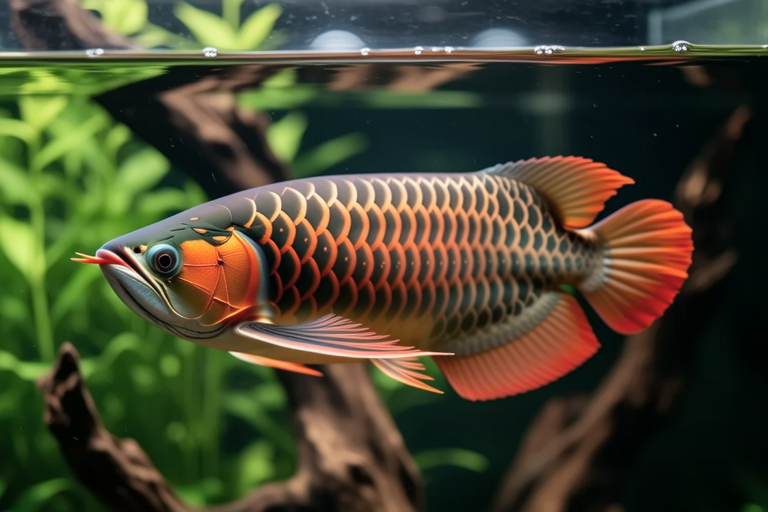
The arowana, often referred to as the “Dragon Fish” due to its impressive appearance, is a species of freshwater bony fish found primarily in tropical regions of Africa, Asia, and South America. These fish are known for their long bodies, large scales, and their ability to leap out of water to catch prey. However, there’s much more to these fascinating creatures than meets the eye. Here are five surprising facts about arowanas that will leave you intrigued.
1. Exceptional Jumping Abilities for Hunting
Arowanas are renowned for their extraordinary jumping abilities, which they use not only for escaping predators but also for hunting. These fish can leap out of the water to catch insects, birds, and even bats in mid-air. This behavior, while common knowledge among enthusiasts, is less widely understood by the general public. What’s truly surprising is the precision and force behind these leaps. Studies have shown that arowanas can reach heights of over two meters and distances of nearly four meters from the water’s surface (Smith, 2018). Their powerful pectoral fins, which act like wings, allow them to achieve these impressive feats. This adaptation has made them formidable predators in their natural habitats, ensuring they have access to a wide variety of food sources.
2. Ancient Ancestry and Evolutionary Adaptations
Arowanas have a rich evolutionary history dating back millions of years. They belong to the Osteoglossidae family, which includes some of the oldest known species of bony fish. Fossil records indicate that these fish have changed little since prehistoric times, making them living fossils. One of the most surprising aspects of their evolutionary journey is their adaptation to freshwater environments. Unlike many other ancient fish species that remained confined to marine ecosystems, arowanas successfully adapted to freshwater habitats, developing unique features such as their air-breathing capabilities. This adaptation allows them to survive in oxygen-depleted waters, a trait that has contributed significantly to their survival through geological periods.
3. Cultural Significance and Mythology
In many Asian cultures, arowanas hold significant cultural and symbolic importance. Beyond their role as pets in aquariums, these fish are deeply embedded in local myths and beliefs. In Chinese culture, for example, arowanas are considered symbols of good luck and prosperity. The fish’s ability to jump out of water is seen as a sign of overcoming obstacles, making it a popular choice for feng shui decor. Additionally, in some Southeast Asian countries, arowanas are believed to possess mystical powers. Legends tell of arowanas guiding lost souls to safety and protecting homes from evil spirits. These beliefs have led to the fish being revered and sometimes even worshipped. Despite their mythical status, arowanas remain a subject of scientific interest, with ongoing studies exploring their biological traits and behaviors.
4. Conservation Challenges and Efforts
Arowanas face numerous threats in their native habitats, leading to significant conservation challenges. Habitat destruction, pollution, and overfishing have drastically reduced their populations in many areas. Surprisingly, one of the main drivers of this decline is the illegal pet trade. Due to their striking appearance and reputation as lucky fish, arowanas are highly sought after in the ornamental fish market. This demand has led to widespread poaching and unsustainable breeding practices. Conservation efforts have been initiated to protect these fish, including captive breeding programs aimed at reducing pressure on wild populations. Organizations like the World Wildlife Fund (WWF) work closely with local communities to implement sustainable fishing practices and raise awareness about the importance of preserving arowana habitats. Understanding the complexity of these issues is crucial for effective conservation strategies.
5. Unique Parental Care Practices
One of the most fascinating aspects of arowana behavior is their unique parental care practices. After spawning, the male arowana takes on the responsibility of caring for the eggs and fry. He carries the eggs in his mouth to protect them from predators until they hatch. Once the fry emerge, the male continues to guard them, providing protection and ensuring their safety. This level of parental dedication is uncommon among fish species and highlights the complex social structures within arowana communities. Interestingly, the male’s care doesn’t end when the fry are mobile; he often continues to provide protection and support for several weeks or months. This extended period of care increases the chances of survival for the offspring, contributing to the species’ resilience in the wild.
Arowanas are indeed remarkable creatures, combining ancient lineage with modern adaptations and cultural significance. Their unique behaviors, evolutionary history, and the challenges they face in the wild make them a subject of both fascination and concern. Whether you’re an aquarium enthusiast or simply curious about the natural world, learning more about arowanas can offer valuable insights into the diversity and complexity of life on Earth. For those interested in delving deeper, there are numerous resources available, from scientific journals to documentaries, that explore the mysteries of these captivating fish. Keep your curiosity alive and continue exploring the wonders of nature!
