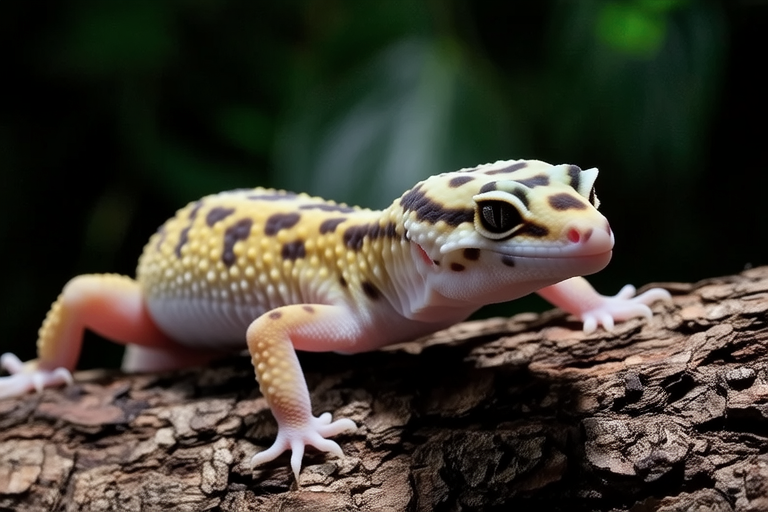
Secrets Unveiled: Understanding the Mysterious World of Chameleons
Introduction
Chameleons are among the most fascinating creatures on Earth, known for their remarkable ability to change colors, unique eyes that can move independently, and specialized feet designed for gripping branches. These attributes make them stand out in the animal kingdom, captivating the imagination of people worldwide. In this article, we will explore the secrets behind these peculiar traits and delve into the world of chameleons.
Unique Characteristics of Chameleons
Chameleons possess a range of extraordinary features that set them apart from other reptiles. Their most notable attribute is their ability to change color. This skill is not just for camouflage but also serves multiple purposes, including communication and temperature regulation. The process involves specialized cells called chromatophores, which contain pigments that can expand or contract based on signals from the nervous system.
Their eyes are equally remarkable. Each eye can rotate 180 degrees independently, allowing chameleons to scan their surroundings without moving their heads. This adaptation helps them detect threats and locate prey more effectively. Additionally, chameleons have zygodactyl feet, meaning their toes are fused in pairs, which aids in climbing and gripping surfaces securely.
Myths Versus Realities About Color Changing
One of the most common misconceptions about chameleons is that they change color solely to blend into their environment. While camouflage is indeed one reason, it is far from the only one. Another significant factor is communication. Chameleons use color changes to signal their mood, health status, and readiness to mate. For instance, males may display vibrant hues during territorial disputes or courtship displays.
Temperature regulation is another crucial aspect. By adjusting their skin pigmentation, chameleons can absorb or reflect sunlight, helping them maintain optimal body temperature. This ability is particularly vital in their native habitats where temperatures can fluctuate dramatically.
Natural Habitats and Dietary Habits
Chameleons thrive in diverse environments ranging from tropical rainforests to arid deserts. They prefer areas rich in vegetation, providing ample opportunities for hiding and hunting. Madagascar is home to over half of all chameleon species, making it a hotspot for biodiversity.
As insectivores, chameleons primarily feed on small insects like crickets, locusts, and grasshoppers. Their long, sticky tongues, which can extend up to twice their body length, enable them to catch prey with precision. This diet not only sustains their energy needs but also supports their growth and reproduction.
The availability of food sources significantly influences their behavior and survival. In regions where prey is abundant, chameleons tend to be more active and territorial. Conversely, scarcity may lead to reduced activity levels and increased competition for resources.
Challenges in the Wild and Human Influence
Despite their adaptability, chameleons face numerous challenges in the wild. Habitat destruction due to deforestation and urbanization poses a severe threat to many species. Additionally, illegal pet trade exacerbates population declines, as some collectors prioritize rare or exotic breeds.
Humans play a critical role in conservation efforts aimed at protecting chameleon populations. Organizations work tirelessly to establish protected areas, enforce stricter regulations on wildlife trafficking, and raise awareness about the importance of preserving these unique animals. Education initiatives help local communities understand the value of chameleons and promote sustainable practices that benefit both wildlife and human livelihoods.
Tips for Keeping Chameleons as Pets
For those interested in keeping chameleons as pets, several considerations must be taken into account to ensure their well-being. First and foremost, it’s essential to research thoroughly about the specific requirements of the chosen species, including enclosure size, lighting, humidity levels, and feeding schedules.
Adequate housing is crucial for mimicking natural conditions. A well-ventilated cage equipped with climbing structures, branches, and foliage provides ample space for exercise and exploration. Proper lighting systems, such as UVB bulbs, support calcium absorption necessary for strong bones and overall health.
Dietary management requires attention to detail. A varied menu consisting of appropriately sized insects ensures nutritional balance. Supplements may be necessary depending on individual needs. Regular monitoring of hydration through misting or water dishes prevents dehydration.
Handling should be minimized to avoid stress and potential injury. Patience and gentleness are key when interacting with these sensitive creatures. Always wash hands before and after handling to prevent contamination.
Conclusion
Understanding the mysteries of chameleons reveals a world filled with wonder and complexity. From their mesmerizing color changes to their highly adapted physical traits, each aspect contributes to their survival and success in various environments. By appreciating these remarkable animals and taking proactive steps towards conservation, we can ensure future generations continue to marvel at the beauty and uniqueness of chameleons.
