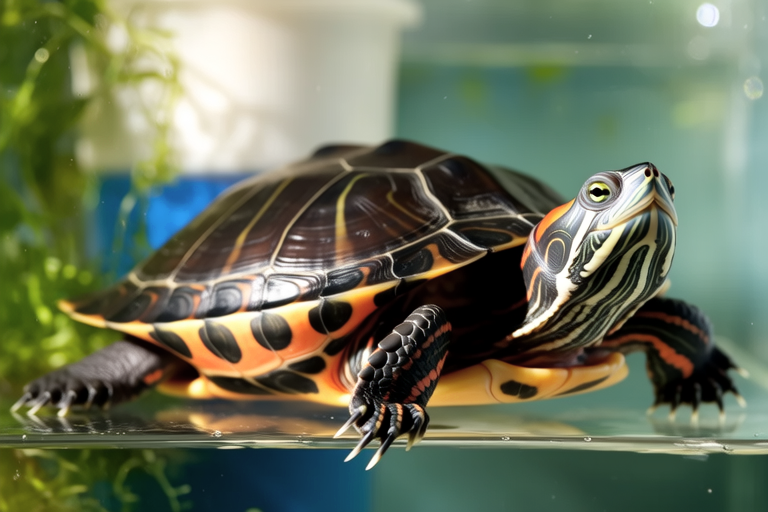
Adopting a Red-eared Slider? Here Are 7 Mistakes You Need to Avoid
Welcome to the world of red-eared slider ownership! These charismatic reptiles can make wonderful pets when cared for properly. However, they come with unique needs that many first-time owners might overlook. In this article, we’ll explore seven common mistakes made by new red-eared slider owners and provide you with practical advice to ensure your turtle lives a long, healthy life.
Mistake 1: Underestimating the Space Requirements
The first mistake many new owners make is underestimating the space requirements for their red-eared slider. Turtles grow quickly, and they need ample room to swim and bask.
Problem: A cramped enclosure can lead to stress, stunted growth, and behavioral issues in your turtle. It can also contribute to poor water quality, which increases the risk of infections and diseases.
Solution: Provide a spacious tank that allows your turtle to swim comfortably. A general rule of thumb is to have at least 10 gallons of water per inch of shell length. As your turtle grows, upgrade its living space accordingly. Additionally, include a basking area where your turtle can dry off and warm up under a UVB light. This setup mimics their natural environment and promotes good health.
Mistake 2: Ignoring Water Quality
Water quality is crucial for maintaining the health of your red-eared slider. Many owners neglect this aspect, leading to various health problems.
Problem: Poor water quality can cause respiratory infections, shell rot, and skin infections. Ammonia and nitrite levels can spike in poorly maintained tanks, making the water toxic to your turtle.
Solution: Invest in a high-quality filter that matches the size of your turtle’s tank. Perform regular water changes—aim for at least 25% weekly—and monitor water parameters such as pH, ammonia, and nitrite levels. Using a dechlorinator will help neutralize harmful chemicals in tap water. Also, consider adding live plants to improve water quality naturally.
Mistake 3: Feeding an Unbalanced Diet
Proper nutrition is vital for your turtle’s health, but many owners struggle to provide a balanced diet.
Problem: An unbalanced diet can lead to nutritional deficiencies, metabolic bone disease, and obesity. Overfeeding commercial pellets or feeding exclusively protein-rich foods can cause digestive issues and shorten your turtle’s lifespan.
Solution: Offer a varied diet that includes commercial turtle pellets, fresh vegetables (like kale, collard greens, and carrots), and occasional protein sources like earthworms or feeder fish. Supplement their diet with calcium and vitamin D3 to support strong bones and shell growth. Feed your turtle daily, but avoid overfeeding; they should eat only as much as they can consume in 10 minutes.
Mistake 4: Neglecting UVB Lighting
Red-eared sliders require UVB lighting to synthesize vitamin D3, which is essential for calcium absorption and overall health.
Problem: Without adequate UVB exposure, your turtle may develop metabolic bone disease, resulting in soft shells, weakened limbs, and other serious health issues.
Solution: Install a UVB light above the basking area, ensuring it covers at least 50% of the tank. Replace the bulb every six months, even if it still appears to be working, as UVB output diminishes over time. Position the light so that it is within 12 inches of the basking spot, and always use a timer to maintain a consistent day-night cycle.
Mistake 5: Handling Your Turtle Too Much
Turtles, like all animals, need their personal space. Excessive handling can stress them out and disrupt their natural behaviors.
Problem: Stress can weaken your turtle’s immune system, making it more susceptible to illnesses. Overhandling can also lead to behavioral changes, such as becoming aggressive or avoiding interaction altogether.
Solution: Limit handling sessions to a few minutes at most, and always handle your turtle gently. Support its body fully to prevent injury. Let your turtle set the pace for interactions, and respect its need for solitude. Remember, a happy turtle is one that feels safe and secure in its environment.
Mistake 6: Not Providing a Proper Basking Spot
A basking area is crucial for your turtle’s thermoregulation and overall well-being. Many owners fail to set up an adequate basking spot.
Problem: Without a proper basking area, your turtle may not get enough heat and UVB exposure, leading to health issues such as respiratory infections, shell deformities, and poor digestion.
Solution: Create a basking spot using a flat rock or large, sturdy platform that allows your turtle to completely dry off. Ensure the basking area is heated to around 85-90°F using a heat lamp or ceramic heater. Place a UVB light nearby to provide necessary UVB radiation. Make sure the basking spot is easy for your turtle to access and exit safely.
Mistake 7: Failing to Recognize Health Issues Early
Regular health checks are essential for catching potential issues early and preventing them from worsening.
Problem: Delayed treatment can lead to severe health problems, including infections, organ failure, and even death. Common signs of illness in red-eared sliders include lethargy, loss of appetite, swollen eyes, and abnormal swimming behavior.
Solution: Familiarize yourself with normal turtle behavior and appearance. Monitor your turtle daily for any changes. If you notice anything unusual, consult a veterinarian who specializes in reptiles immediately. Regular veterinary check-ups are also recommended, especially for young turtles or those showing signs of illness.
Conclusion
Owning a red-eared slider is a rewarding experience, but it requires dedication and knowledge. By avoiding these seven common mistakes, you’ll be well on your way to providing your turtle with a happy, healthy life. Remember, the key to successful turtle ownership lies in creating a suitable environment, offering a balanced diet, and respecting your turtle’s needs. With the right care, your red-eared slider can thrive for decades, bringing joy and companionship into your home.
