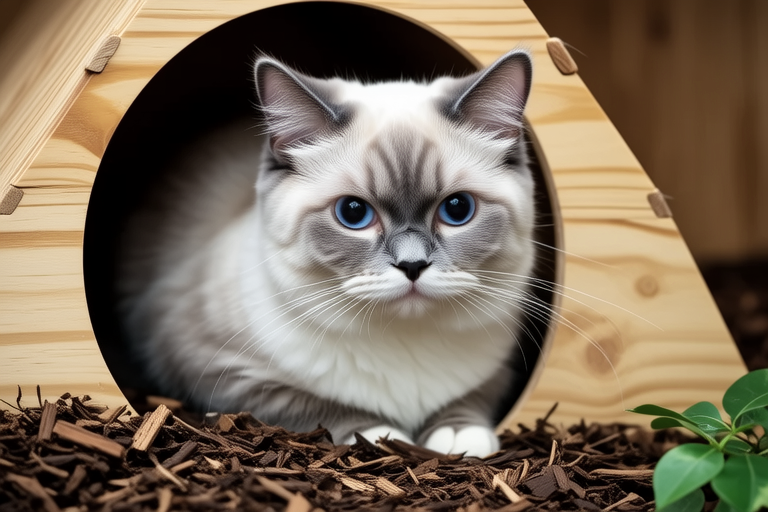
How to Create the Ultimate Nesting Spot for Your Chinchilla
Welcome to the world of chinchillas! These adorable creatures have unique needs that require careful consideration when it comes to their living environment. Creating the perfect nesting spot for your chinchilla is crucial for their health and happiness. In this guide, we will explore the essential elements you need to consider, from selecting appropriate bedding materials to ensuring proper ventilation and providing hiding spots. We’ll also discuss common pitfalls to avoid and offer tips to help you create a safe and comfortable home for your chinchilla.
Selecting Appropriate Bedding Materials
The first step in creating the ultimate nesting spot for your chinchilla is choosing the right bedding material. Chinchillas are very sensitive to their surroundings, so it’s important to select a bedding that is soft, dust-free, and non-toxic. Some popular options include:
- Shredded Paper: Soft, absorbent, and easy to clean, shredded paper is a great option for chinchillas. Just make sure it’s free from dyes or chemicals.
- Recycled Paper Pellets: These pellets are made from recycled paper and are dust-free, making them an excellent choice for chinchillas with respiratory issues.
- Wood Shavings: While cedar and pine shavings are often used for other pets, they can be harmful to chinchillas due to their aromatic oils. Opt for aspen wood shavings instead, which are safer and less dusty.
Whatever bedding you choose, ensure it’s free from any harmful substances and provides a soft, comfortable surface for your chinchilla to rest on.
Designing a Cozy and Safe Space
Your chinchilla’s nesting spot should be designed with both comfort and safety in mind. Here are some key considerations:
- Size: Make sure the nesting area is large enough for your chinchilla to move around freely. A spacious nest box will allow your pet to stretch out and engage in natural behaviors like grooming and playing.
- Shape: Chinchillas prefer enclosed spaces that provide a sense of security. Consider using a nest box with a small entrance hole to mimic their natural burrowing habits.
- Placement: Position the nesting area away from direct sunlight and drafts. Chinchillas are sensitive to temperature changes, so it’s important to keep their environment at a consistent temperature between 65°F and 75°F (18°C and 24°C).
In addition to these physical aspects, it’s important to consider the psychological well-being of your chinchilla. Providing a secure and comforting space will help reduce stress and promote a happy, healthy life.
Ensuring Proper Ventilation
Proper ventilation is crucial for maintaining good air quality in your chinchilla’s nesting spot. Chinchillas are highly sensitive to dust and poor air circulation, which can lead to respiratory problems. To ensure proper ventilation:
- Airflow: Make sure the nesting area has adequate airflow to prevent the buildup of dust and moisture. This can be achieved by using a wire-bottom cage or adding ventilation holes to solid-bottom cages.
- Filtration: Consider using a HEPA filter to remove airborne particles and improve air quality. This is especially important if you live in a dusty environment or if your chinchilla has allergies or respiratory issues.
- Humidity: Maintain a humidity level between 30% and 50%. You can use a humidifier or dehumidifier to achieve this, depending on your local climate.
By ensuring proper ventilation, you can help prevent respiratory issues and keep your chinchilla breathing easily.
Providing Hiding Spots
Chinchillas are naturally shy and enjoy having places where they can retreat to feel safe. Providing hiding spots in your chinchilla’s nesting area can help reduce stress and promote a sense of security. Here are some ideas for creating hiding spots:
- Burrows: Use cardboard tubes or wooden tunnels to create burrows that your chinchilla can crawl through and hide in.
- Nest Boxes: Provide multiple nest boxes with different sizes and shapes to give your chinchilla options for where to hide.
- Toys: Some chinchilla toys, like igloos or hammocks, can double as hiding spots. These toys also provide entertainment and enrichment for your pet.
Remember to rotate the hiding spots occasionally to keep things interesting and prevent boredom.
Maintaining Cleanliness
Keeping your chinchilla’s nesting area clean is essential for their health and happiness. Regular cleaning helps prevent the buildup of bacteria, urine, and feces, which can lead to infections and unpleasant odors. Here are some tips for maintaining cleanliness:
- Spot Cleaning: Remove soiled bedding daily to prevent ammonia build-up and keep the nesting area fresh.
- Deep Cleaning: Once a week, thoroughly clean the nesting area, replacing all bedding and scrubbing the enclosure with a mild detergent. Rinse thoroughly and dry before adding new bedding.
- Disinfecting: Use a pet-safe disinfectant to sanitize the nesting area and any accessories. Be sure to rinse and dry everything completely before returning it to the enclosure.
By keeping the nesting area clean, you can help prevent health issues and maintain a pleasant living environment for your chinchilla.
Considering Chinchilla Behavior and Needs
To create the ultimate nesting spot for your chinchilla, it’s important to understand their natural behaviors and needs. Chinchillas are crepuscular animals, meaning they are most active during dawn and dusk. They are also social creatures that thrive on interaction with their human companions. Here are some additional considerations:
- Playtime: Provide opportunities for your chinchilla to play outside of their nesting area. Supervised playtime allows your pet to exercise and interact with you.
- Grooming: Chinchillas spend a significant amount of time grooming themselves. Provide a dust bath twice a week to help them stay clean and healthy.
- Enrichment: Offer toys and activities that stimulate your chinchilla’s mind and body. Puzzle feeders, chew toys, and foraging opportunities can help prevent boredom and promote mental stimulation.
By understanding and meeting your chinchilla’s behavioral needs, you can create a more enriching and enjoyable environment for them.
Common Pitfalls to Avoid
Creating the ultimate nesting spot for your chinchilla requires attention to detail. Here are some common pitfalls to avoid:
- Overcrowding: Avoid placing too many items in the nesting area, as this can lead to stress and discomfort for your chinchilla.
- Unsafe Materials: Be cautious about the materials you use in the nesting area. Avoid anything that could be toxic or pose a choking hazard.
- Improper Ventilation: Poor ventilation can lead to respiratory issues and other health problems. Always ensure adequate airflow and filtration.
- Lack of Enrichment: Boredom can lead to destructive behaviors and stress. Provide plenty of toys and activities to keep your chinchilla mentally stimulated.
By being mindful of these potential pitfalls, you can create a safer and more enjoyable environment for your chinchilla.
Conclusion
Creating the ultimate nesting spot for your chinchilla involves careful consideration of their unique needs and preferences. By selecting appropriate bedding materials, designing a cozy and safe space, ensuring proper ventilation, providing hiding spots, maintaining cleanliness, and considering their behavior and needs, you can create an environment that promotes health and happiness. Remember, a happy chinchilla is a healthy chinchilla, and by following these guidelines, you can ensure your pet enjoys a long, fulfilling life. Happy nesting!
