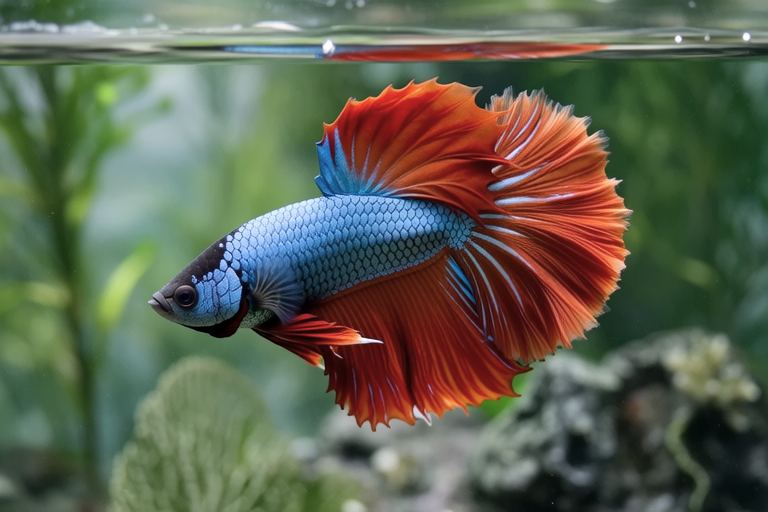
The Myth of Males Only: Raising Female Bettas for Vibrant Companionship
For many years, the vibrant and colorful betta fish have been synonymous with males. The myth persists that only male bettas offer a dazzling display of color and behavior, leading many aquarists to overlook the potential of their female counterparts. However, female bettas are just as captivating, with unique colors, behaviors, and care requirements. This article aims to dispel this misconception and provide a comprehensive guide for raising female bettas as vibrant companions.
Understanding the Biology of Female Bettas
Betta splendens, commonly known as Siamese fighting fish, are native to the rice paddies of Thailand and neighboring countries. Both male and female bettas possess striking colors and intricate fins, but there are notable differences between the sexes. Male bettas are typically more vibrantly colored and have longer, flowing fins, which they use to establish dominance and attract mates. In contrast, females often exhibit more subdued hues and shorter fins, traits that may lead to their underappreciation.
Scientifically, the difference in appearance is linked to sexual dimorphism, where males and females of the same species exhibit different physical characteristics. While male bettas are more aggressive and territorial, females are generally more peaceful and can coexist in groups, known as sororities. This behavioral difference stems from evolutionary adaptations, where males must defend their territory to attract mates, while females benefit from living in groups for protection and resource sharing.
The Unique Colors and Behaviors of Female Bettas
Female bettas come in a wide array of colors and patterns, including vibrant reds, electric blues, and iridescent greens. Their shorter fins may not be as dramatic as those of males, but they still display intricate designs and textures. Additionally, female bettas exhibit fascinating behaviors, such as bubble-nesting and maternal care, which are essential components of their reproductive strategy.
During courtship, male bettas construct bubble nests to entice females and protect their eggs after fertilization. Interestingly, female bettas play a crucial role in this process by gently nudging the eggs into the nest, ensuring they are properly cared for. Observing this cooperative behavior can be both educational and rewarding for aquarists.
Care Requirements for Female Bettas
Providing the right environment for female bettas is essential for their well-being and longevity. While male bettas require solitary tanks due to their aggressive nature, female bettas can thrive in community settings, known as sororities. A sorority consists of three to five females, which can create a lively and harmonious tank.
When setting up a sorority tank, it’s important to ensure ample space and hiding spots. A minimum tank size of 10 gallons is recommended for a group of three female bettas, with additional space for each additional fish. Providing plenty of plants, caves, and other decorations will help reduce stress and promote natural behaviors.
Water quality is another critical factor in maintaining healthy female bettas. Betta splendens are adapted to slightly acidic water conditions, with a pH range of 6.8 to 7.2. Regular water changes, ideally 25% every week, and the use of a high-quality filter are necessary to keep the water clean and oxygenated. Maintaining proper temperature, between 76°F and 82°F, is also vital for their health.
Selecting Compatible Tank Mates
Choosing the right tank mates for female bettas can enhance the overall ambiance of your aquarium. It’s important to select peaceful fish that won’t outcompete or harass the bettas for resources. Suitable tank mates include small, non-aggressive species like neon tetras, harlequin rasboras, and ember tetras. These fish are generally too small to be seen as threats and can coexist peacefully with female bettas.
Avoid keeping female bettas with larger, more aggressive species like cichlids, as they may bully or intimidate the bettas. Additionally, refrain from housing male bettas with female bettas, as males tend to be highly territorial and may harm their female counterparts. Proper research and careful selection of tank mates will contribute to a balanced and thriving aquatic environment.
Maintaining the Health of Female Bettas
Regular monitoring and maintenance are key to ensuring the health and happiness of female bettas. Aquarists should observe their bettas daily for any signs of illness, such as lethargy, loss of appetite, or unusual swimming patterns. Early detection and intervention can prevent minor issues from escalating into more serious health problems.
Diet plays a significant role in maintaining the health and vitality of female bettas. A balanced diet consisting of high-quality flake food, pellets, and occasional live or frozen foods like brine shrimp and bloodworms is recommended. Feeding bettas twice daily in small portions ensures they receive adequate nutrition without overfeeding, which can lead to obesity and related health issues.
Preventative measures, such as quarantine for new additions and regular water testing, can further safeguard the health of your bettas. Quarantining new fish before introducing them to the main tank helps prevent the spread of diseases. Testing the water regularly for parameters like ammonia, nitrite, and nitrate levels allows you to address any imbalances promptly.
The Rewarding Experience of Raising Female Bettas
Raising female bettas offers a unique and rewarding experience for aquarists. Watching these graceful creatures interact within their sorority can be both entertaining and enlightening. Their peaceful demeanor and cooperative behaviors provide a refreshing contrast to the often solitary and territorial nature of male bettas.
For novice aquarists, female bettas serve as excellent subjects for learning about fishkeeping basics, such as water management, feeding, and disease prevention. Experienced aquarists can further explore advanced topics, such as breeding and selective breeding for desirable traits. The journey of raising female bettas is one of continuous discovery and growth, fostering a deeper appreciation for these remarkable fish.
Conclusion
The myth that only male bettas offer vibrant displays is a misconception that overlooks the unique beauty and charm of female bettas. With their stunning colors, intriguing behaviors, and peaceful nature, female bettas make excellent companions for both novice and experienced aquarists. By providing the right environment, selecting compatible tank mates, and maintaining their health, you can enjoy the rewarding experience of raising these captivating fish. Embrace the world of female bettas and discover the vibrant companionship they bring to your aquatic world.
