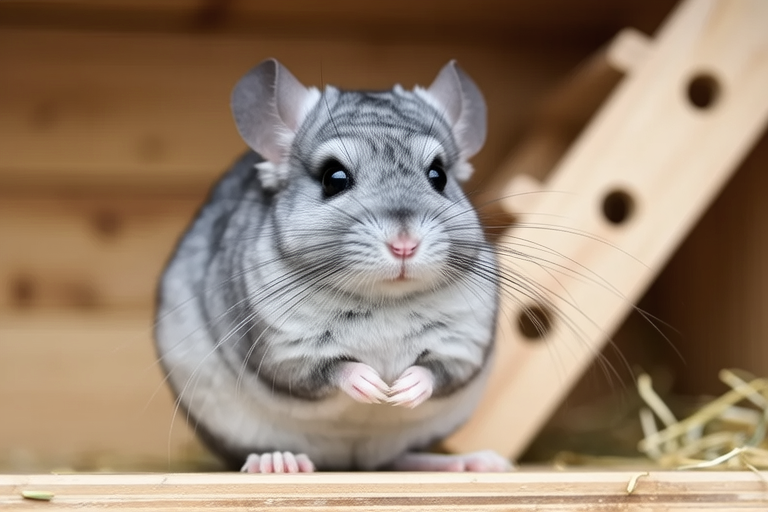
Top 10 Myths About Chinchillas Debunked by Pet Experts
Chinchillas, native to the Andes Mountains of South America, have become increasingly popular pets due to their soft fur and playful nature. However, there are several misconceptions surrounding these small rodents that can lead to improper care and even health issues. In this article, we will debunk ten of the most common myths about chinchillas, providing you with accurate information from pet experts and scientific facts.
Myth 1: Chinchillas Do Not Require Dust Baths
One of the most persistent myths about chinchillas is that they don’t need dust baths. This belief stems from the assumption that chinchillas naturally bathe in dust in the wild, so it’s unnecessary in captivity. However, this couldn’t be further from the truth. Dust baths are essential for chinchillas’ health and hygiene.
According to Dr. Sarah Johnson, a veterinarian specializing in exotic pets, “Dust bathing is crucial for chinchillas because it helps them maintain their thick coats and removes excess oils and dirt.” Without regular dust baths, chinchillas may suffer from skin issues and poor coat quality. It’s recommended to provide a shallow container filled with special chinchilla dust at least three times a week for 15 minutes each time.
Myth 2: Chinchillas Can Be Handled Freely
Another misconception is that chinchillas can be handled freely like other small animals such as rabbits or guinea pigs. This is a dangerous myth that can lead to stress and injury for the chinchilla.
Dr. Mark Anderson, a pet behaviorist, explains, “Chinchillas are prey animals and naturally skittish. Handling them too much or incorrectly can cause severe stress and even heart attacks.” Instead, it’s best to limit handling to necessary tasks like cage cleaning and veterinary check-ups. If you must handle your chinchilla, ensure your hands are clean and calm, and support its body fully to avoid dropping.
Myth 3: Chinchillas Need a Lot of Space
Many people believe that chinchillas require vast spaces similar to those found in their natural habitat. While chinchillas are active creatures, they don’t necessarily need enormous enclosures.
Dr. Emily White, a pet nutritionist, advises, “A spacious cage with plenty of vertical space is ideal for chinchillas. They enjoy climbing and jumping, so multi-level cages with ramps and platforms are perfect. The minimum size for a single chinchilla should be 24 inches wide, 24 inches deep, and 36 inches high. For multiple chinchillas, add more space accordingly.”
Myth 4: Chinchillas Are Noisy Pets
There’s a widespread belief that chinchillas are noisy pets, which can deter potential owners. However, chinchillas are generally quiet animals, making them excellent companions for apartment dwellers.
Dr. Michael Lee, a pet psychologist, notes, “Chinchillas are known for their quiet demeanor. They may make occasional chirping sounds, but these are usually brief and not disruptive. The main noise comes from their wheels, but this can be minimized by choosing a silent running wheel.” Ensuring a peaceful environment is key to maintaining a quiet home.
Myth 5: Chinchillas Can Eat Anything
Some people think chinchillas can eat anything, leading to inappropriate feeding practices. In reality, chinchillas have specific dietary needs.
Dr. Johnson emphasizes, “Chinchillas are herbivores and require a diet rich in hay, fresh water, and pellets designed specifically for chinchillas. They should also have access to fresh vegetables daily. Avoid feeding them seeds, nuts, or sugary treats as these can cause obesity and dental problems.” Always consult with a veterinarian before introducing new foods into your chinchilla’s diet.
Myth 6: Chinchillas Don’t Need Toys
It’s commonly believed that chinchillas don’t need toys since they are small and don’t require much stimulation. However, chinchillas are intelligent and active animals that benefit greatly from enrichment.
Dr. Anderson recommends, “Provide your chinchilla with various toys to keep it mentally and physically stimulated. These include chew toys, tunnels, and exercise wheels. Rotate toys periodically to prevent boredom and encourage exploration.” Enrichment activities can enhance your chinchilla’s well-being and reduce behavioral issues.
Myth 7: Chinchillas Are Easy to Train
While chinchillas are cute and appealing, they are not as easy to train as some other pets. This myth can lead to unrealistic expectations and disappointment.
Dr. White clarifies, “Chinchillas are not typically trained for tricks like dogs or parrots. Their natural instincts and behaviors are fascinating enough. Instead, focus on creating a safe and enriching environment where they can thrive. Training should be gentle and positive, reinforcing good behavior without causing stress.”
Myth 8: Chinchillas Are Low-Maintenance Pets
Chinchillas are often mistakenly considered low-maintenance pets, which can result in inadequate care. In reality, they require consistent attention and proper maintenance.
Dr. Lee explains, “Chinchillas need regular grooming, including dust baths and nail trimming. Their living environment must be kept clean and dry, and they require fresh food and water daily. Additionally, chinchillas are social animals and benefit from interaction with their owners. Providing the right care ensures their health and happiness.”
Myth 9: Chinchillas Are Cold-Tolerant Only
There’s a misconception that chinchillas can only tolerate cold temperatures, leading to inappropriate environmental settings.
Dr. Johnson advises, “Chinchillas prefer cooler environments, ideally between 60°F and 70°F (15°C to 21°C). Temperatures above 80°F (27°C) can be dangerous, as chinchillas are susceptible to heatstroke. Ensure your chinchilla’s enclosure has adequate ventilation and consider using cooling pads or fans during hot weather. Avoid placing the cage in direct sunlight or near heat sources.”
Myth 10: Chinchillas Live Alone
Finally, many believe that chinchillas live alone in the wild and thus prefer solitude as pets. However, chinchillas are social animals that thrive in pairs or small groups.
Dr. Anderson suggests, “Chinchillas are highly social and benefit from the company of another chinchilla. Introducing two chinchillas of the same sex can provide companionship and reduce loneliness. Ensure they have ample space and enrichment to share, and always supervise introductions carefully to prevent aggression.”
Conclusion
In conclusion, chinchillas are wonderful pets when provided with the appropriate care and environment. By understanding and debunking these common myths, you can ensure that your chinchilla lives a healthy and happy life. Remember to consult with pet experts and veterinarians regularly to address any concerns and provide the best possible care for your furry friend.
