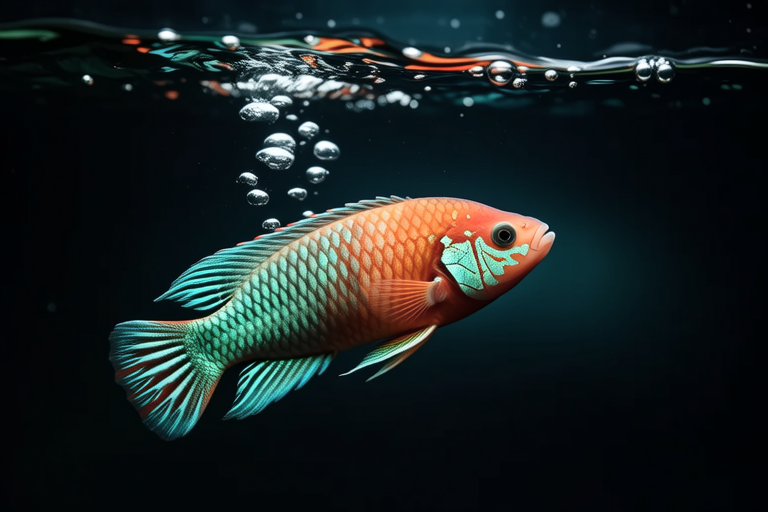
Why Your Aquarium Isn’t Complete Without a Vibrant Parrot Fish
The world of freshwater aquariums is vast and diverse, offering a myriad of choices for aquarists looking to enhance their aquatic setups. Among the many options available, one fish stands out for its captivating beauty and vibrant coloration: the parrot fish. These colorful creatures are not just another pretty face in the aquarium; they bring life, energy, and a touch of the tropics to any tank. In this article, we’ll explore why your aquarium isn’t complete without a vibrant parrot fish.
The Unique Beauty and Coloration of Parrot Fish
Parrot fish are known for their striking, jewel-like hues that can range from deep reds and oranges to electric blues and greens. Their vibrant coloration is one of the most appealing aspects of keeping these fish in an aquarium. The parrot fish’s brilliant colors are not only visually stunning but also serve as a form of communication within their species. In the wild, these colors play a crucial role in attracting mates and asserting dominance. In captivity, their vivid pigmentation continues to be a source of fascination for aquarists.
One of the most striking features of the parrot fish is its head, which resembles that of a parrot due to its large, curved beak. This beak is used for crushing and grinding algae and coral, which forms a significant part of their diet in the wild. Despite their aggressive appearance, parrot fish are generally peaceful and can coexist well with other non-aggressive species in a community tank.
Care Requirements for Parrot Fish
Maintaining a healthy environment for your parrot fish requires attention to several key factors. First and foremost, it is essential to ensure that the water conditions are optimal. Parrot fish thrive in slightly acidic water with a pH level between 6.8 and 7.4. They prefer a temperature range of 76°F to 82°F (24°C to 28°C), so it is crucial to invest in a reliable heater to maintain consistent water temperatures.
Adequate filtration is also vital to keep the water clean and free from harmful toxins. Parrot fish are known to produce a significant amount of waste, so a high-quality filter capable of handling the bioload is necessary. Regular water changes, typically 20% weekly, will help maintain water quality and prevent the buildup of nitrates and ammonia.
Dietary Needs of Parrot Fish
Feeding your parrot fish a balanced diet is crucial for their health and longevity. In the wild, parrot fish primarily feed on algae and small invertebrates. In captivity, however, they require a varied diet to meet their nutritional needs. High-quality flake or pellet food formulated for herbivorous fish is an excellent base diet. To ensure a well-rounded diet, supplement with fresh vegetables such as spinach, peas, and zucchini. These additions not only provide essential nutrients but also help maintain the fish’s vibrant coloration.
It is important to note that overfeeding can lead to health issues, including obesity and swim bladder disorders. Feed your parrot fish only what they can consume in a few minutes, and remove any uneaten food to prevent water pollution.
Compatibility with Other Species
Parrot fish are generally peaceful and can coexist with a variety of other non-aggressive species. However, it is essential to consider the temperament and size of potential tankmates. Larger, more aggressive fish may bully or intimidate parrot fish, leading to stress and potential health problems. Similarly, smaller, timid fish may become stressed or injured by the parrot fish’s feeding behavior.
Some good tankmates for parrot fish include other cichlids, plecos, and catfish. It is advisable to avoid housing parrot fish with slow-moving or long-finned species, as these fish may be at risk of injury. Additionally, parrot fish have a tendency to chase smaller fish, so it is best to choose tankmates that are roughly the same size or larger.
Vibrant Colors and Aesthetic Appeal
One of the most compelling reasons to add a parrot fish to your aquarium is the vibrant splash of color they bring to the tank. Their bright hues can点亮整个水族箱,为任何水族箱设置增添活力和色彩。在本文中,我们将探讨为什么你的水族箱不完整,没有一个色彩斑斓的鹦鹉鱼。
鹦鹉鱼的独特美丽和色彩
鹦鹉鱼以其引人注目的珠宝般的色调而闻名,这些颜色可以从深红色和橙色到电蓝色和绿色。它们的鲜艳色彩不仅是水族馆的一个吸引人的方面,而且在物种内部也是一种交流形式。在野外,这些颜色在吸引配偶和确立支配地位方面起着重要作用。在圈养中,它们的生动色彩继续成为水族爱好者的一个来源。
鹦鹉鱼最引人注目的特征之一是它的头部,看起来像鹦鹉,因为它有一个大而弯曲的喙。这个喙用于研磨和粉碎藻类和珊瑚,在野外构成了它们饮食的重要部分。尽管它们的外观具有侵略性,但鹦鹉鱼通常很平静,可以与其他非侵略性的物种在社区坦克中共存。
鹦鹉鱼的护理要求
为你的鹦鹉鱼维持健康的环境需要关注几个关键因素。首先,确保水质条件是最佳的。鹦鹉鱼喜欢弱酸性水,pH值在6.8到7.4之间。它们喜欢的温度范围是76°F到82°F(24°C到28°C),因此投资一个可靠的加热器来保持恒定的水温是很重要的。
充足的过滤对于保持水的清洁和防止有害毒素的积累也是必不可少的。鹦鹉鱼会产生大量的废物,所以一个能够处理生物负载的高质量过滤器是必要的。每周进行20%的定期换水将有助于保持水质,并防止硝酸盐和氨的积累。
鹦鹉鱼的饮食需求
给鹦鹉鱼提供均衡的饮食对其健康和长寿至关重要。在野外,鹦鹉鱼主要以藻类和小型无脊椎动物为食。在圈养中,为了满足其营养需求,需要补充多样化的食物。高质量的草食性鱼专用的薄片或颗粒饲料是一个良好的基础饮食。为了确保饮食的多样性,补充新鲜蔬菜如菠菜、豌豆和西葫芦。这些添加不仅提供了必需的营养,还有助于保持鱼的鲜艳色彩。
需要注意的是,过度喂养会导致健康问题,包括肥胖和游泳膀胱疾病。只喂鱼几分钟内能吃掉的食物,然后移除任何未吃完的食物,以防止水污染。
与其他物种的兼容性
鹦鹉鱼通常是和平的,可以与各种其他非侵略性物种共存。然而,考虑到潜在伴侣的脾气和大小是很重要的。较大的、更具侵略性的鱼可能会欺负或威胁鹦鹉鱼,导致压力和潜在的健康问题。同样,较小、胆小的鱼可能会因鹦鹉鱼的进食行为而感到压力或受伤。
一些适合鹦鹉鱼的伴侣包括其他慈鲷、琵琶鱼和鲶鱼。最好避免将鹦鹉鱼与行动缓慢或长鳍的物种一起饲养,因为这些鱼可能有受伤的风险。此外,鹦鹉鱼有追逐较小鱼的倾向,因此最好选择大小相近或更大的同伴。
鲜艳的颜色和美学吸引力
将鹦鹉鱼添加到你的水族箱中的最有力的理由之一是它们为水族箱带来的鲜艳色彩。
