Adventures with an Abyssinian: Living with History’s Favorite Feline
The Abyssinian is a breed of cat that has captivated humans for centuries. With origins traced back to ancient Egypt, these felines have been intertwined with human history for millennia. The Abyssinian’s sleek, athletic build and striking appearance have made it a favorite among cat enthusiasts worldwide. This article delves into the fascinating history, physical characteristics, personality traits, and care requirements of this remarkable breed, offering a glimpse into what it’s like to live with one.
Ancient Origins and Historical Significance
The Abyssinian’s lineage can be traced back to the temples and palaces of ancient Egypt. Revered for their grace and beauty, these cats were often depicted in hieroglyphics and mummified alongside their owners. The breed’s name is derived from Abyssinia, now known as Ethiopia, where they were thought to have originated. However, modern genetic studies suggest that the breed may have been developed in Victorian England, possibly from cats brought back from India or Southeast Asia.
Despite their somewhat mysterious origins, Abyssinians have consistently captured the hearts of people throughout history. Their popularity soared during the Victorian era when exotic animals were highly sought after. Today, their presence in homes around the world continues to remind us of their storied past.
Distinctive Appearance
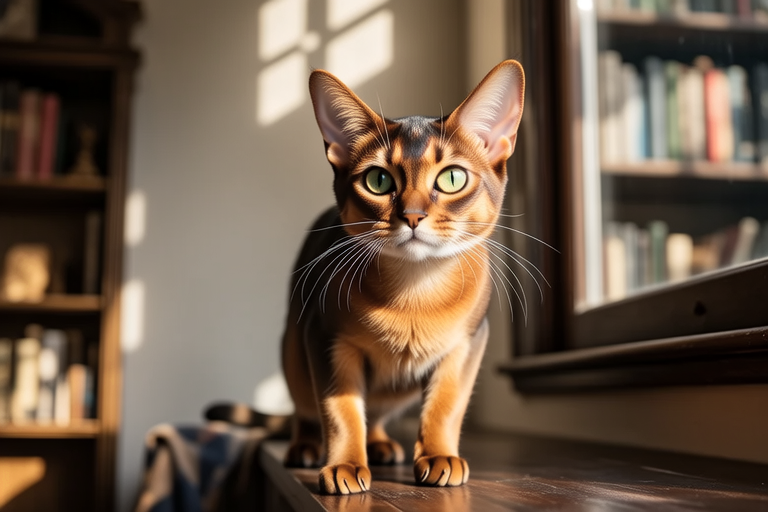
Abyssinians are easily recognizable by their distinctive ticked coat pattern, which consists of individual hairs banded with different colors. This unique pattern gives them a wild, almost leonine appearance. Common coat colors include ruddy (a reddish-brown base with black ticking), blue (a bluish-gray base with gray ticking), fawn (a light brown base with tan ticking), and cinnamon (a warm reddish-brown base with dark brown ticking).
Another notable feature of the Abyssinian is its large, almond-shaped eyes, typically a captivating green. These expressive eyes add to the breed’s regal demeanor. Their slender, muscular bodies are complemented by long legs and large ears, giving them a poised and alert stance. Overall, the Abyssinian’s appearance is a testament to its elegance and athleticism.
Personality Traits
Beyond their striking looks, Abyssinians are renowned for their intelligent and playful personalities. They are highly curious and enjoy exploring their surroundings. Their curiosity often leads them to investigate every nook and cranny, making them excellent companions for interactive games and puzzle toys.
Abyssinians are also known for their social nature. They thrive on human interaction and enjoy being part of family activities. Many owners find that their Abyssinian will follow them from room to room, seeking attention and affection. Their intelligence allows them to learn tricks and respond to their names, making training sessions both enjoyable and rewarding.
One anecdote that highlights the bond between owner and pet involves my own Abyssinian, named Luna. She has a particular fascination with boxes and loves to hide inside them, only to emerge when she hears me approaching. Her playful antics never fail to bring a smile to my face. Another instance occurred during a family gathering when Luna decided to leap onto the kitchen counter to join in the festivities. Her graceful movements and inquisitive nature made her a hit with all the guests.
Daily Life and Interaction
Abyssinians are active and require plenty of stimulation to keep them happy and healthy. Providing them with climbing structures, scratching posts, and interactive toys is essential. They are also fond of water and may even enjoy playing with a dripping faucet or splashing in a shallow dish. Their intelligence means they can learn simple commands and tricks, adding an extra layer of engagement to their daily routine.
Training an Abyssinian can be both fun and challenging. Positive reinforcement techniques work best, rewarding desired behaviors with treats and praise. One of the most rewarding aspects of living with an Abyssinian is the deep bond that develops over time. They are incredibly affectionate and will often seek out physical contact, curling up beside you or sitting on your lap. Their loyalty and companionship make them cherished members of the family.
Health Concerns, Dietary Needs, and Grooming Tips
While generally healthy, Abyssinians are prone to certain genetic conditions. Progressive retinal atrophy, a degenerative eye disease, is one concern that can lead to vision loss. Regular veterinary check-ups are essential for early detection and management of such issues. Additionally, dental problems can occur due to their small mouths, so maintaining good oral hygiene is crucial.
A balanced diet is vital for maintaining an Abyssinian’s health. High-quality commercial cat food formulated for indoor cats is recommended, supplemented with occasional treats. Fresh water should always be available, and some owners choose to provide a small amount of canned food to ensure adequate hydration.
Grooming an Abyssinian is relatively straightforward due to their short, fine coat. Weekly brushing helps to remove loose hair and prevent matting. Bathing is usually unnecessary unless the cat becomes excessively dirty. Pay special attention to their ears, cleaning them regularly to prevent infections. Claws should be trimmed every few weeks to prevent overgrowth and potential injuries.
Why Abyssinians Are Cherished
Abyssinians have been cherished throughout history for their beauty, intelligence, and companionship. Their elegant appearance and lively personalities make them a joy to have around. Whether lounging gracefully or engaging in playful antics, they bring a unique charm to any household.
Considering adopting an Abyssinian? Be prepared for a delightful companion who will enrich your life with their presence. Their adaptability, intelligence, and loving nature make them ideal pets for families and individuals alike. With proper care and attention, an Abyssinian can provide years of companionship and adventure.
