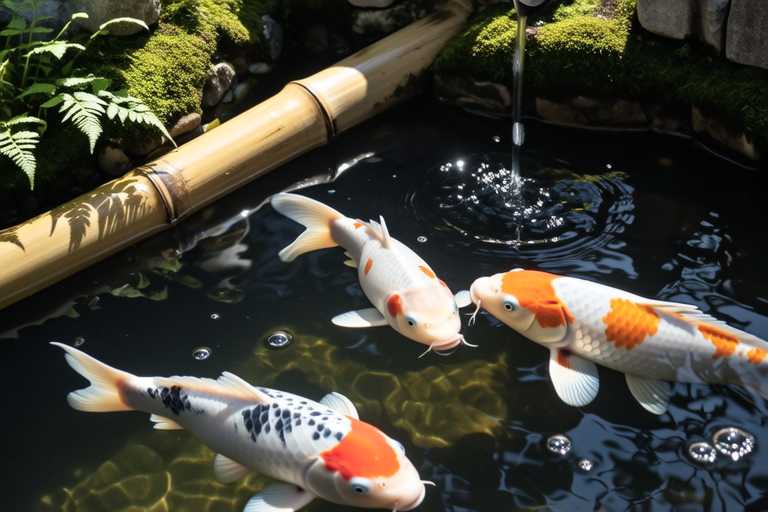
Koi Care 101: Expert Tips for Healthy and Happy Aquatic Companions
Welcome to Koi Care 101! Whether you’re a seasoned aquarist or just starting out with your first koi pond, this guide will provide you with essential knowledge and practical advice to ensure your aquatic companions live long, healthy, and fulfilling lives. Koi fish are not only beautiful but also intelligent creatures that require proper care and attention. By following these expert tips, you can create an enriching aquatic environment where your koi thrive.
Basic Koi Care
Before diving into the specifics of koi care, it’s important to understand the basics. Koi are cold-water fish, meaning they can tolerate temperatures ranging from 40°F to 86°F (4°C to 30°C). However, their ideal temperature range is between 68°F and 77°F (20°C to 25°C). It’s crucial to maintain stable water temperatures to prevent stress and potential health issues.
Proper filtration is key to maintaining clean water in your pond. A good filter system should be capable of handling at least one pond volume per hour. This ensures that debris, waste, and excess nutrients are removed, preventing the buildup of harmful substances. Additionally, regular water changes are necessary to keep the water fresh and free from toxins. Aim for a partial water change of about 10% to 20% every two weeks.
Another aspect of basic koi care involves monitoring the water parameters. Key factors to check include pH levels, ammonia, nitrite, and nitrate concentrations. Ideal pH levels for koi range between 7.2 and 8.5, while ammonia and nitrite should always read zero. Nitrate levels should be kept below 50 ppm (parts per million) to prevent stress and disease.
Water Quality Management
Water quality is paramount when it comes to koi care. Poor water quality can lead to various health problems, including fin rot, skin lesions, and even death. To maintain optimal water conditions, it’s essential to perform routine maintenance and monitor water parameters regularly.
One of the most effective ways to manage water quality is through proper filtration. As mentioned earlier, a well-designed filtration system removes organic matter and converts harmful compounds into less toxic forms. Biological filtration, which relies on beneficial bacteria, plays a critical role in breaking down ammonia and nitrite into less harmful nitrate. Regular cleaning of the filter media helps ensure its efficiency.
Aeration is another vital component of water quality management. Oxygen is essential for the survival of koi, and ensuring adequate oxygenation can be achieved by incorporating features like waterfalls, fountains, or air stones. These devices increase surface agitation, promoting gas exchange and enriching the water with oxygen. In addition, maintaining proper circulation within the pond prevents stagnant areas where harmful substances can accumulate.
To further enhance water quality, consider adding natural elements such as plants and rocks. Aquatic plants contribute to oxygen production during photosynthesis and help absorb excess nutrients, reducing algae growth. Rocks and gravel act as mechanical filters, trapping debris and providing surfaces for beneficial bacteria to colonize.
Suitable Diet
Feeding your koi the right diet is crucial for their overall health and vitality. Koi are omnivorous, meaning they consume both plant-based and animal-based foods. Their diet should be balanced and varied to meet their nutritional needs throughout different life stages and seasons.
In spring and summer, when the water temperature exceeds 50°F (10°C), koi are more active and require higher protein levels in their diet. Look for high-quality commercial koi pellets that contain at least 35% protein. These pellets should also include essential vitamins and minerals to support growth and immune function. Additionally, supplementing their diet with live or frozen foods such as brine shrimp, bloodworms, and daphnia can provide variety and enrichment.
During autumn and winter, when the water temperature drops below 50°F (10°C), koi become less active and their metabolism slows down. At this point, it’s best to switch to low-protein diets rich in carbohydrates and fats. These types of foods are easier to digest and provide the energy needed to survive colder temperatures. Avoid overfeeding during this period, as excess food can decompose and negatively impact water quality.
It’s important to note that feeding koi directly from your hand or using floating feeders can encourage interaction and bonding. However, always ensure that the food is appropriate for their current stage of life and environmental conditions. Overfeeding or feeding inappropriate foods can lead to obesity, digestive issues, and poor water quality.
Common Health Issues
Despite your best efforts, koi may still encounter health issues from time to time. Being aware of common ailments allows you to address them promptly and effectively. One of the most prevalent health concerns among koi is ichthyophthirius multifiliis, commonly known as ‘Ich.’ This parasitic infection causes white spots on the fish’s body and fins, leading to irritation and reduced appetite.
To combat Ich, raise the water temperature gradually to around 82°F (28°C) for several days. This increases the parasite’s life cycle, making it easier to eliminate. Alternatively, adding aquarium salt at a rate of 1 tablespoon per gallon can help control the infestation. Always follow manufacturer guidelines and monitor your koi closely during treatment.
Fungal infections, particularly saprolegnia, are another frequent problem. Fungi thrive in environments with poor water quality or injured fish. Symptoms include fluffy white patches on the body, fins, or gills. Treatment typically involves improving water conditions and applying antifungal medications specifically formulated for aquatic use.
Bacterial infections, such as columnaris or aeromonas, often result from compromised immune systems due to stress or injury. These infections manifest as ulcers, redness, or open sores. Treating bacterial infections requires antibiotics prescribed by a veterinarian or aquatic specialist. Prevention is key, so focus on maintaining excellent water quality and minimizing stressors.
Parasites like anchor worms or leeches can attach themselves to koi, causing discomfort and potential damage. Regularly inspect your koi for signs of parasites and take action immediately if detected. Isolate affected fish and treat them with appropriate medications. Always quarantine new additions to the pond for at least two weeks before introducing them to avoid introducing parasites or diseases.
Tips for Creating an Enriching Aquatic Environment
Creating an enriching aquatic environment goes beyond simply providing a pond with clean water and food. Thoughtful design and planning can significantly enhance the well-being of your koi. Start by considering the size and depth of your pond. A minimum depth of 3 feet (0.9 meters) is recommended to ensure proper oxygenation and temperature regulation. Deeper areas provide refuge during extreme weather conditions.
Incorporate various structures and hiding spots within the pond to stimulate natural behaviors and reduce stress. Floating logs, submerged rocks, and artificial caves offer places for koi to explore and rest. Additionally, providing ample swimming space allows them to exercise and socialize. Aim for at least 20 gallons of water per inch of fish to accommodate their growth and activity levels.
Introducing aquatic plants not only improves water quality but also adds aesthetic appeal and provides shelter for koi. Hardy species like water lilies, lotus, and hornwort are popular choices. Floating plants such as duckweed and water lettuce also serve as natural filters and additional hiding spots. Just be mindful of the balance between plant coverage and open swimming areas.
Lastly, consider incorporating interactive elements like bubblers or waterfalls to create visual interest and encourage movement. These features enhance the overall ambiance of the pond while promoting beneficial water circulation. Regularly observe your koi’s behavior and adjust the environment accordingly to ensure they remain comfortable and engaged.
Regular Maintenance and Observation
Regular maintenance and observation are indispensable aspects of koi care. By staying proactive, you can identify potential issues early and address them before they escalate into serious problems. Establish a routine schedule for tasks such as cleaning filters, checking water parameters, and performing water changes.
Take the time to observe your koi daily, noting any changes in behavior, appearance, or swimming patterns. Healthy koi are generally active, alert, and exhibit smooth movements. Any signs of lethargy, abnormal coloration, or unusual swimming could indicate underlying health issues. Promptly investigate and address any concerns to prevent further complications.
Additionally, keep detailed records of your pond’s water parameters, feeding schedules, and any treatments administered. This information proves invaluable for tracking trends and identifying patterns. Sharing these notes with a veterinarian or aquatic specialist can aid in diagnosing and resolving complex issues.
Remember, koi are long-lived creatures that can live up to 30 years with proper care. Investing time and effort into their well-being now will pay off in the form of vibrant, thriving fish for many years to come.
