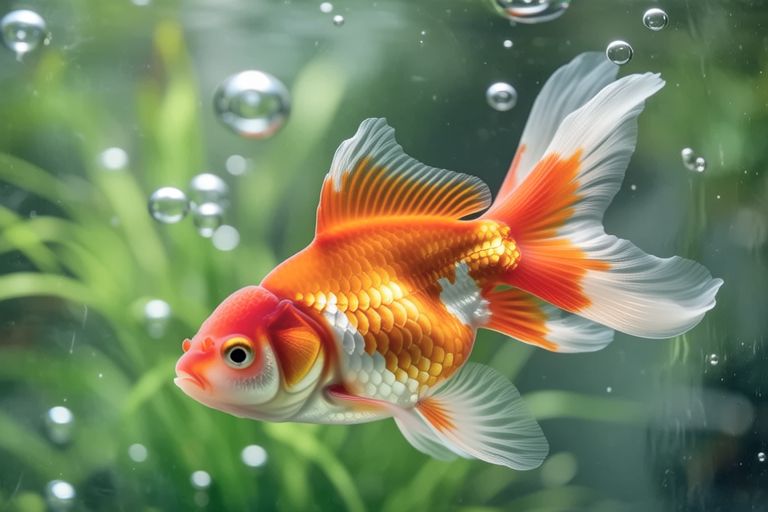
The Intriguing World of Goldfish: Beyond Their Aesthetic Appeal
Goldfish are often dismissed as simple pets, primarily valued for their vibrant colors and graceful swimming. However, these small fish possess surprising cognitive abilities, memory skills, and problem-solving capabilities that challenge conventional perceptions. Delving into their sensory navigation, social behaviors, and learning capacities reveals a complex and fascinating creature. This article explores the multifaceted world of goldfish, emphasizing the importance of proper care to enhance their mental and physical health.
Cognitive Abilities and Memory Skills
Contrary to popular belief, goldfish have impressive memory spans, capable of remembering complex tasks and experiences for up to three months. Scientific studies have demonstrated their ability to distinguish between different shapes, colors, and even human faces. In one experiment, researchers trained goldfish to swim through an underwater maze, rewarding them with food upon reaching the correct exit. The fish quickly learned the route and consistently chose the correct path, showcasing their exceptional memory retention.
Goldfish also exhibit long-term memory, recalling specific events and stimuli over extended periods. For instance, they can recognize and respond to their owners after brief separations, indicating a level of familiarity and recognition. These findings challenge the notion that goldfish have only a few seconds of memory, highlighting their capacity for learning and retention.
Problem-Solving Capabilities
Goldfish demonstrate remarkable problem-solving skills, capable of navigating mazes, identifying patterns, and even operating switches to access food. In one study, goldfish were placed in a tank with a transparent barrier separating them from food. The fish quickly learned to press a lever, causing the barrier to lift and granting access to their meal. This experiment illustrates their ability to associate actions with rewards, a fundamental aspect of learning.
Another example of their problem-solving prowess is their ability to learn and perform tricks. With consistent training, goldfish can be taught to ring a bell, push a button, or even swim through hoops. These feats demonstrate their adaptability and intelligence, challenging the stereotype of goldfish as passive pets.
Navigating Using Senses Other Than Sight
While sight is crucial for goldfish, they rely on other senses to navigate their environment, particularly in low-light conditions. Their lateral line system, a network of pressure-sensitive cells along their body, detects changes in water pressure and movement, enabling them to sense the presence of nearby objects and predators. This system allows goldfish to avoid obstacles and navigate effectively in murky or dark waters.
Goldfish also have a keen sense of smell, which plays a vital role in their survival. They use olfactory cues to locate food, identify mates, and avoid danger. For instance, they can detect the scent of chemicals released by injured individuals, signaling potential threats in their vicinity. This heightened sense of smell enhances their environmental awareness, allowing them to thrive in various aquatic habitats.
Social Behaviors
Goldfish are social creatures that form bonds with their tank mates, exhibiting complex social behaviors. They communicate through visual displays, such as fin movements and body postures, and can establish dominance hierarchies within their group. These interactions influence their behavior and well-being, making it essential to provide them with compatible tank mates.
Goldfish also display signs of empathy, responding to the distress of their companions. In one study, goldfish exposed to the sound of another fish in distress exhibited increased stress levels, indicating their sensitivity to the emotional states of others. This finding underscores the importance of creating a harmonious and supportive environment for goldfish, where they can thrive socially.
Learning Capacities
Goldfish have the ability to learn through observation and experience, adapting their behavior based on new information. They can be trained to associate specific sounds or visual cues with feeding times, demonstrating their capacity for associative learning. This skill allows them to anticipate and respond to regular routines, enhancing their overall well-being.
Goldfish also exhibit curiosity and exploration, investigating new objects and environments with interest. This innate curiosity drives their learning process, encouraging them to engage with their surroundings and develop new skills. By providing stimulating environments and opportunities for learning, owners can promote the mental and physical health of their goldfish.
Environmental Awareness
Goldfish are highly attuned to their environment, responding to changes in temperature, lighting, and water quality. They can detect subtle shifts in their surroundings, adjusting their behavior accordingly. For instance, they may become more active during feeding times or seek shelter when sensing potential threats. This heightened environmental awareness underscores the importance of maintaining stable and optimal living conditions for goldfish.
Owners can enhance their goldfish’s environmental awareness by incorporating enrichment activities, such as floating toys or plants, into their tank. These additions provide stimulation and encourage exploration, promoting a healthier and more engaging lifestyle for their aquatic companions.
Importance of Proper Care
To ensure the mental and physical health of goldfish, owners must prioritize proper care, including appropriate housing, nutrition, and socialization. Providing ample space, clean water, and a balanced diet supports their well-being, while enrichment activities stimulate their minds and bodies. Regular monitoring and maintenance of their environment are essential to prevent stress and disease, fostering a thriving and joyful life for these intelligent creatures.
By recognizing and respecting the complexity of goldfish, owners can create enriching and fulfilling lives for their aquatic companions. This understanding encourages responsible pet ownership and promotes the appreciation of these fascinating animals beyond their aesthetic appeal.
