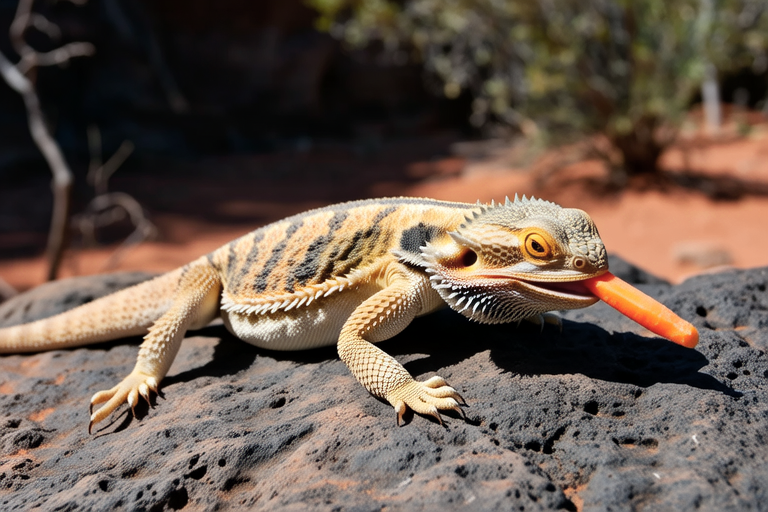
The Ultimate Guide to Feeding Your Bearded Dragon Right
Proper nutrition is crucial for the health and longevity of your bearded dragon. Just like humans, bearded dragons require a well-balanced diet to thrive. Ensuring that your pet gets the right mix of nutrients can prevent a host of health issues and contribute to its overall vitality. This guide will walk you through the essential aspects of feeding your bearded dragon, from understanding its nutritional needs to avoiding common pitfalls.
Nutritional Needs of Bearded Dragons
Bearded dragons are omnivores, meaning they consume both plant matter and animal protein. Their diet should include a variety of insects, vegetables, and fruits. Each of these components serves specific purposes in their diet:
- Insects: Provide essential proteins necessary for growth and development.
- Vegetables: Supply vitamins, minerals, and fiber.
- Fruits: Offer additional vitamins and sugars but should be given sparingly.
Understanding these basic needs helps in crafting a diet that supports your bearded dragon’s health.
Ideal Diet Composition
The ideal diet for a bearded dragon varies depending on its age. Younger dragons require more protein, while adults need more plant-based foods. Here’s a breakdown:
For Juvenile Bearded Dragons (up to 1 year old)
Juveniles should have a diet consisting of about 80% insects and 20% vegetables. The insects should be small and easily digestible, such as crickets, dubia roaches, and mealworms. Vegetables should include leafy greens like kale, collard greens, and mustard greens.
For Adult Bearded Dragons (over 1 year old)
Adults should have a diet of approximately 70% vegetables and 30% insects. Continue to offer the same insects but introduce larger ones like dubia roaches. Vegetables should include a variety of dark leafy greens, carrots, squash, and bell peppers.
Fruits should be offered sparingly, around once a week, due to their high sugar content. Safe fruits include berries, mangoes, and melons.
Feeding Frequency for Different Life Stages
Feeding frequency changes as bearded dragons grow:
- Young Juveniles (under 6 months): Feed them twice daily.
- Mature Juveniles (6-12 months): Feed them once a day.
- Adults (over 1 year): Feed them every other day.
Adjustments may be needed based on individual activity levels and body condition.
Gut Loading Insects for Better Nutrition
Gut loading involves feeding insects a nutritious diet before offering them to your bearded dragon. This ensures that the insect itself is rich in vitamins and minerals. For example, feed crickets fresh vegetables and fruits before feeding them to your dragon. Gut loading enhances the nutritional value of the insects and can help prevent deficiencies.
Hydration Methods
Bearded dragons get most of their water from the moisture in their food, but it’s important to provide clean water in a shallow dish. Some dragons may drink directly from the water dish, while others prefer misting. Mist the enclosure lightly to encourage drinking, especially for younger dragons.
Common Feeding Mistakes to Avoid
Avoid these common mistakes to ensure your bearded dragon remains healthy:
- Overfeeding insects: Too many insects can lead to obesity and other health problems.
- Underfeeding vegetables: Lack of plant matter can cause digestive issues.
- Feeding inappropriate insects: Avoid wild-caught insects, which may carry parasites or toxins.
- Providing too much fruit: Excessive fruit can cause diarrhea and other health issues.
Signs of Malnutrition or Overfeeding
Recognizing the signs of malnutrition or overfeeding is crucial:
- Malnutrition: Weight loss, lethargy, swollen eyes, and poor skin condition.
- Overfeeding: Obesity, difficulty moving, and digestive issues.
If you notice any of these signs, consult a veterinarian specializing in reptiles.
Tips for Transitioning to New Food Types
When introducing new foods, do so gradually to allow your dragon’s digestive system to adjust:
- Start by mixing a small amount of the new food with the current diet.
- Monitor your dragon’s response over a few days.
- Gradually increase the proportion of the new food.
- Ensure the new food is safe and appropriate for your dragon’s age and size.
Maintaining a Balanced Diet
To maintain a balanced diet, regularly rotate the types of insects and vegetables. Use a multivitamin supplement designed for reptiles, but avoid excessive use as it can lead to imbalances. Monitor your dragon’s weight and body condition to make adjustments as needed.
Where to Find More Resources
For more information on responsible bearded dragon care, consider joining local reptile clubs, attending veterinary seminars, or consulting books and reputable websites dedicated to reptile care. Always seek advice from a veterinarian if you have concerns about your dragon’s health.
By following this guide, you can ensure your bearded dragon enjoys a healthy, balanced diet that supports its well-being and longevity. Remember, a well-fed bearded dragon is a happy one!
