Golden Retriever Training Tips For First-Time Owners
Welcome to the wonderful world of golden retrievers! These friendly, intelligent, and loyal dogs are beloved companions for families worldwide. As a first-time owner, you might be feeling excited yet slightly overwhelmed. This comprehensive guide will walk you through essential aspects of raising your golden retriever, from basic obedience training to dietary recommendations. We’ll cover everything you need to know to ensure your furry friend grows up happy, healthy, and well-adjusted.
Understanding Your Golden Retriever’s Temperament and Intelligence
Golden retrievers are known for their friendly and outgoing nature. They are highly adaptable and enjoy being around people, making them excellent family pets. Their intelligence makes them quick learners, but it also means they can get bored easily if not stimulated mentally and physically. Understanding your dog’s personality helps tailor your approach to training and care.
Basic Obedience Training
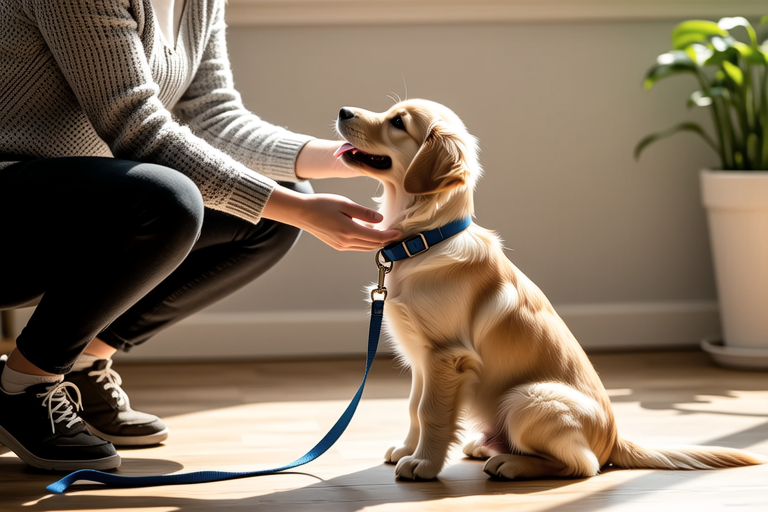
Training your golden retriever starts with basic commands like ‘sit,’ ‘stay,’ ‘come,’ and ‘leave it.’ These commands form the foundation of good behavior and safety. Begin training sessions when your puppy is calm and ready to learn, usually after playtime or feeding. Keep each session short—about 10 minutes—to maintain their interest.
Step-by-Step Guide:
- Sit: Hold a treat near your dog’s nose and slowly move it upwards. As your puppy follows the treat with its head, its bottom will naturally lower. Say “Sit” as it does so and reward with praise and the treat.
- Stay: Start by asking your dog to sit. Extend your hand out, palm facing them, and say “Stay.” Take a few steps back and return immediately to reward them for staying put. Gradually increase the distance and duration over time.
- Come: Use a happy, encouraging tone and call your dog’s name followed by “Come.” When they respond, reward them with treats and praise.
- Leave It: Place an unappealing object (like a crumpled tissue) in front of your dog. Say “Leave it” and gently push their nose away from the object. Once they turn their attention away, reward them with a treat and praise.
Consistency is key in training. Practice these commands daily, using the same words and gestures every time. Patience is equally important; some puppies may take longer to grasp commands than others. Celebrate small victories to keep both you and your pup motivated.
Housebreaking Techniques
Accidents happen, especially with young puppies. However, consistent efforts can lead to a housebroken dog. Choose a specific spot outside for potty breaks and stick to it. Take your puppy out frequently, especially after meals, naps, and playtime. Praise them profusely when they go in the correct place.
Tips for Success:
- Use a verbal cue like “Go potty” each time you take your puppy outside.
- Supervise your puppy indoors and use a crate when you cannot watch them. Puppies prefer not to soil their sleeping area.
- Be patient and avoid punishing accidents. Instead, calmly take your puppy outside and encourage them to finish where they should.
Socialization Strategies
Proper socialization ensures your golden retriever grows up confident and well-behaved around other dogs, people, and environments. Expose your puppy to various stimuli from an early age, such as different surfaces, sounds, and places.
Real-Life Scenario:
Imagine taking your puppy to a park where children play. Start with quieter times when fewer people are around. Allow your puppy to explore while keeping them on a leash for safety. Encourage positive interactions and reward calm behavior.
Enroll in puppy classes to meet other dogs and practice controlled socialization. These classes also provide valuable training opportunities and support for new owners.
Exercise Needs
Golden retrievers are energetic and require regular exercise to stay healthy and happy. Daily walks, playtime, and mental stimulation are crucial. Aim for at least one hour of physical activity per day, divided into shorter sessions if necessary.
Engaging Activities:
- Fetch and Frisbee are popular games that combine exercise with fun.
- Interactive toys, like puzzle feeders, challenge your dog mentally while providing entertainment.
- Consider agility courses or swimming as alternative exercises.
Dietary Recommendations
A balanced diet is vital for your golden retriever’s overall health. Consult your veterinarian for personalized advice based on your dog’s age, weight, and activity level. High-quality commercial dog food or a homemade diet under veterinary supervision are good options.
Nutritional Tips:
- Ensure adequate protein intake from sources like chicken, fish, or beef.
- Incorporate vegetables and fruits for fiber and vitamins.
- Limit table scraps and human foods that can be harmful to dogs.
Grooming Tips
Golden retrievers have thick coats that require regular brushing to prevent matting and shedding. Bathe them every 4-6 weeks, depending on their activity level and environment. Trim their nails monthly and clean their ears weekly to prevent infections.
Grooming Schedule:
- Brush your dog’s coat at least twice a week to remove loose hair and distribute natural oils.
- Inspect their skin for any signs of irritation or parasites during grooming sessions.
- Use appropriate shampoos and conditioners formulated for dogs.
Common Health Issues
Like all breeds, golden retrievers are prone to certain health conditions. Regular vet check-ups and preventive care can help manage these issues.
Health Concerns:
- Obesity: Monitor your dog’s weight and adjust their diet and exercise accordingly.
- Joint Problems: Golden retrievers are susceptible to hip dysplasia and elbow dysplasia. Maintain a healthy weight and provide joint supplements if recommended by your vet.
- Allergies: Watch for symptoms like excessive scratching, ear infections, or digestive issues. Consult your vet for proper diagnosis and treatment.
Choosing the Right Toys and Accessories
The right toys and accessories enhance your golden retriever’s quality of life. Look for durable items that cater to their playful nature and promote mental stimulation.
Toy Recommendations:
- Interactive Toys: Puzzle feeders and treat-dispensing toys engage your dog’s mind.
- Fuzzy Toys: Soft, cuddly toys provide comfort and companionship.
- Chew Toys: Durable bones and rubber toys satisfy their chewing instincts.
Accessories:
- Collars and Leashes: Choose comfortable, adjustable collars and leashes that suit your dog’s size.
- Harnesses: Consider a harness for better control during walks, especially for pullers.
- Bedding: Provide a cozy bed for your dog to rest and sleep comfortably.
Final Thoughts
Raising a golden retriever is a rewarding experience filled with love and laughter. By understanding your dog’s temperament, providing proper training, and meeting their physical and emotional needs, you set the stage for a lifelong bond. Remember to be patient, consistent, and loving throughout this journey. Enjoy the adventure!
