The Colorful Life of Parrot Fish: Unraveling Their Vibrant World
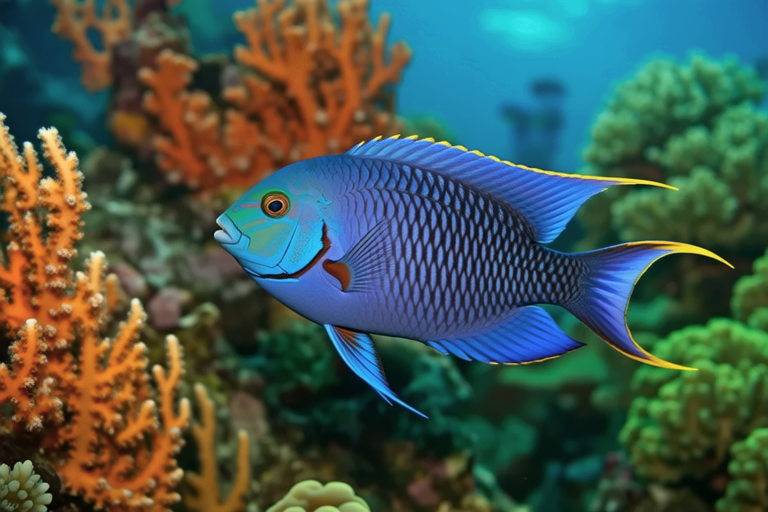
Parrot fish, members of the family Scaridae, are some of the most visually striking creatures found in the ocean. These marine animals are renowned for their brilliant and ever-changing hues, which range from dazzling blues and greens to warm oranges and reds. Their unique coloration serves multiple purposes, from camouflage and mating displays to warding off predators. Beyond their aesthetic appeal, parrot fish play a crucial role in maintaining the health of coral reefs and other marine ecosystems.
The Role of Parrot Fish in Marine Ecosystems
Parrot fish are essential for the well-being of coral reefs, acting as natural gardeners that help maintain the balance within these delicate ecosystems. By consuming algae that can otherwise smother corals, they ensure that the reef remains healthy and vibrant. This process, known as bioerosion, also contributes to the creation of sand, as their digestion of coral skeletons results in fine particles that settle on the seabed.
Behavioral Patterns of Parrot Fish
Feeding Habits
Parrot fish have a diet primarily composed of algae and small organisms found on coral reefs. They possess a unique set of teeth arranged in rows that resemble a parrot’s beak, hence their name. These teeth continuously grow throughout the fish’s life, ensuring they can effectively scrape algae off rocks and coral surfaces. The algae are then ground down in their pharyngeal mill, a specialized structure located in their throat, before being digested.
Sleeping Patterns
When night falls, parrot fish enter a state of rest that is somewhat different from sleep. Instead of simply closing their eyes, they secrete a mucus cocoon around themselves. This protective layer not only hides their scent from potential predators but also acts as a physical barrier against parasites and other harmful elements. This nightly ritual is believed to have evolved as a survival mechanism in response to the increased vulnerability of these colorful fish during darkness.
Communication Methods
Parrot fish communicate through a variety of methods, including visual signals and sounds. Their vibrant colors serve as a form of non-verbal communication, often indicating mood or reproductive readiness. Additionally, they produce sounds by grinding their teeth together, creating clicks and grunts that can be heard underwater. These sounds may serve as a means of establishing territory or attracting mates.
Habitats and Environments
Parrot fish are predominantly found in tropical and subtropical waters, thriving in the diverse and complex environments of coral reefs. These reefs provide not only shelter but also abundant food sources, making them ideal habitats for these fish. Coral reefs are among the most biodiverse ecosystems on the planet, supporting thousands of species of fish, invertebrates, and plants. Parrot fish contribute significantly to this biodiversity by helping to maintain the health of the reef.
The Lifecycle of Parrot Fish
The lifecycle of parrot fish begins with spawning, a spectacular event that often involves large groups of fish gathering in open water. Females release clouds of eggs, while males fertilize them externally. The eggs float near the surface until they hatch into larvae, which drift with ocean currents. After several weeks, the larvae settle on the reef and begin their transformation into juvenile parrot fish. Over time, they develop the distinctive features and vibrant colors characteristic of adult parrot fish.
Conservation Efforts
Despite their importance, parrot fish face numerous threats, including overfishing, habitat destruction, and climate change. Conservation efforts are underway to protect these vital marine inhabitants and their environments. Marine protected areas (MPAs) have been established to safeguard critical habitats and allow populations to recover. Additionally, sustainable fishing practices and public awareness campaigns aim to reduce the impact of human activities on parrot fish and their ecosystems.
In conclusion, parrot fish are not just beautiful to look at; they are integral to the health and survival of coral reefs and the wider marine environment. Understanding their behaviors, habitats, and lifecycle provides valuable insights into the complex relationships within marine ecosystems. By supporting conservation initiatives, we can help ensure the continued existence of these colorful and fascinating creatures for future generations to enjoy.
