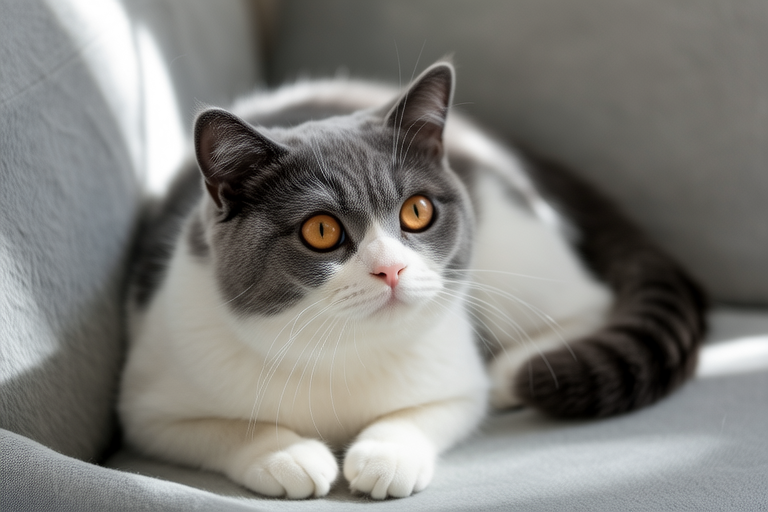
Tiny Legs, Giant Purrs: The Unique World of Munchkin Cats
With their disproportionately short legs and endearing faces, Munchkin cats have captured the hearts of many cat enthusiasts. These felines are a fascinating blend of cuteness and controversy, embodying an unusual physical characteristic that has sparked debate within the feline community. This article delves into the world of Munchkin cats, exploring their unique physical traits, origin, personality, health considerations, and why they have become so popular.
The Distinctive Physical Trait
The most striking feature of Munchkin cats is their unusually short legs, which can be attributed to a genetic mutation known as the Munchkin gene. This gene causes the vertebrae in the cat’s spine to develop abnormally, resulting in shorter than average legs. Despite this physical difference, Munchkin cats do not suffer from any related skeletal deformities or mobility issues. Instead, they exhibit a unique form of agility and movement, often seen running at high speeds on their stubby legs, leaping gracefully onto high surfaces, and performing acrobatic feats that would be expected of longer-legged cats.
Origin and Controversy
The Munchkin cat breed was first discovered in Louisiana in the late 1980s when Sandra Hochenedel found two pregnant cats hiding under a pickup truck. One of these cats had notably short legs. Hochenedel named one of the kittens ‘Blackberry,’ and the other ‘Toulouse.’ Blackberry was the foundation of the Munchkin breed, and Toulouse became the sire for many litters. The breed gained official recognition from The International Cat Association (TICA) in 2003.
However, the breeding of Munchkin cats has been surrounded by controversy. Critics argue that breeding for such a pronounced physical trait could lead to health problems, similar to those experienced by other breeds like the Persian or Siamese, where selective breeding has led to respiratory issues or dental problems. Proponents counter that responsible breeding practices, focusing on the overall health and temperament of the cats, can mitigate potential risks.
Personality Traits
Munchkin cats are known for their friendly and playful personalities. They are typically very social animals, often seeking out human companionship and affection. Their curious nature makes them excellent explorers, and they love to investigate every nook and cranny of their environment. Despite their short legs, Munchkin cats are surprisingly athletic and enjoy climbing and jumping, often surprising owners with their ability to reach high places.
These cats are also known for their gentle and affectionate demeanor, making them ideal pets for families with children or other pets. They are generally calm and patient, but they still require regular interaction and stimulation to keep them happy and healthy.
Health Considerations
While Munchkin cats do not face significant health risks due to their leg length, there are some specific considerations. The breed is susceptible to spinal issues, particularly lordosis, which is an inward curvature of the spine, and kyphosis, an outward curvature. Regular veterinary check-ups and maintaining a healthy weight are essential for preventing these conditions.
Additionally, like all cats, Munchkin cats benefit from a balanced diet and plenty of exercise. Owners should provide opportunities for play and exploration to keep their pets mentally and physically stimulated.
Common Myths About Munchkin Cats
One prevalent myth about Munchkin cats is that they are less agile than other breeds. While it’s true that their legs are shorter, Munchkin cats are just as capable of leaping, running, and climbing as their longer-legged counterparts. Another misconception is that all Munchkins will develop health problems due to their genetics. Responsible breeding practices can significantly reduce the risk of genetic disorders.
Comparisons with Other Breeds
When compared to other cat breeds, Munchkin cats stand out for their unique appearance and playful nature. Unlike breeds such as the Siamese, which are known for their vocal and demanding personalities, Munchkins tend to be more laid-back and affectionate. They are also distinct from breeds like the Maine Coon, which are renowned for their large size and gentle dispositions, but lack the distinctive short legs of the Munchkin.
Compared to domestic shorthair cats, Munchkins offer a unique combination of playfulness and affection. Their short legs make them instantly recognizable, setting them apart from more common cat breeds.
Why Munchkin Cats Have Become Popular
Munchkin cats have become increasingly popular among cat enthusiasts for several reasons. Their unique appearance, coupled with their friendly and playful personalities, makes them appealing pets. Additionally, their relatively low-maintenance grooming requirements and adaptability to various living environments have contributed to their growing popularity.
Owners who adopt Munchkin cats are often drawn to their distinctive charm and the joy they bring to their homes. The breed’s increasing visibility in media and online communities has also played a role in boosting its popularity.
Conclusion
Tiny Legs, Giant Purrs: The Unique World of Munchkin Cats offers a comprehensive look at a breed that continues to intrigue and delight cat lovers around the globe. From their distinctive physical traits to their friendly personalities and unique health considerations, Munchkin cats are a testament to the diversity and wonder of the feline world. Whether you’re a seasoned cat owner or considering adopting your first pet, Munchkin cats offer a unique and rewarding companionship experience.
