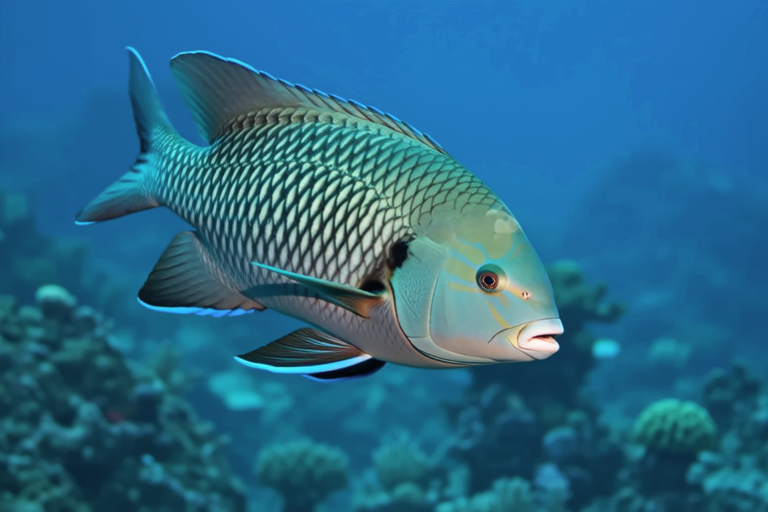
From Ocean to Aquarium: How Parrot Fish Adapt to Different Environments
The world of parrot fish is a vibrant tapestry woven with the colors of the sea and the sounds of bustling coral reefs. These fish, known for their striking hues and unique behaviors, play a crucial role in maintaining the delicate balance of coral reef ecosystems. This article delves into the fascinating lives of parrot fish, exploring their adaptations in their natural ocean habitats and how they adjust when brought into aquariums.
The Vibrant World of Parrot Fish in Coral Reefs
Parrot fish, belonging to the family Scaridae, inhabit the warm waters of tropical and subtropical oceans around the globe. They are particularly abundant in coral reefs, which serve as their primary habitat. Coral reefs are among the most biodiverse ecosystems on Earth, teeming with life from microscopic organisms to large predators. Parrot fish are integral to this ecosystem, contributing significantly through their feeding habits.
One of the most notable features of parrot fish is their diet. These fish primarily feed on algae, which they scrape off coral using their beak-like mouths. This feeding behavior not only provides them with nutrition but also helps maintain the health of the coral reefs. By keeping algae growth in check, parrot fish prevent overgrowth that could smother and kill corals. Their digestive process even produces sand, which contributes to the formation of beaches in some areas.
Color changes are another remarkable adaptation of parrot fish. Many species can alter their coloration based on their environment or mood. For instance, some parrot fish display bright colors during mating season to attract partners, while others may adopt more subdued tones when hiding from predators. This ability to change colors is a sophisticated form of camouflage, allowing parrot fish to blend into their surroundings effectively.
Key Adaptations for Survival in the Vast Ocean
The ocean presents numerous challenges for marine life, and parrot fish have developed several adaptations to thrive in this vast environment. One of their most significant adaptations is their robust body structure. Parrot fish have thick, bony plates that protect them from predators. These plates also help them withstand the pressure changes experienced at different depths within the ocean.
Another critical adaptation is their swimming capabilities. Parrot fish are strong swimmers, capable of navigating through complex reef structures with ease. Their streamlined bodies reduce water resistance, allowing them to move swiftly through the water. Additionally, parrot fish have excellent vision, which aids in detecting food sources and avoiding threats in the visually rich but often crowded coral reef environments.
Adapting to Aquarium Life
When parrot fish are moved from their natural ocean habitats to aquariums, they face significant changes in their environment, behavior, and dietary needs. While aquariums provide a controlled setting that can be tailored to meet their specific requirements, the transition can be challenging for these fish.
Behavioral changes are one of the first things observed in parrot fish when they are introduced to aquariums. In the wild, parrot fish spend much of their time grazing on algae-covered surfaces. In captivity, they may exhibit similar behaviors, but the availability of suitable surfaces can limit their activity. To address this, aquarium owners should provide ample surfaces for the fish to graze on, such as live rock or artificial alternatives.
Dietary adjustments are also necessary for parrot fish in aquariums. While they primarily feed on algae in the wild, aquarium diets need to be supplemented with other food sources to ensure a balanced nutritional intake. A combination of high-quality flake foods, pellets, and occasional fresh vegetables like spinach or lettuce can provide the necessary nutrients. It’s important to note that overfeeding can lead to health issues, so feeding should be done in moderation.
Tips for Aquarium Owners
Providing optimal living conditions for parrot fish in aquariums requires careful consideration of their environmental needs. Here are some tips for aquarium owners:
- Water Quality: Maintain clean and well-oxygenated water. Regular water changes and the use of filters are essential to keep the water quality high.
- Temperature: Keep the water temperature between 72°F and 82°F (22°C to 28°C) to mimic their natural habitat.
- Lighting: Use full-spectrum lighting to promote the growth of algae on surfaces within the tank.
- Social Interaction: Parrot fish are generally peaceful but can become territorial, especially during mating season. It’s advisable to house them with compatible species and ensure there is enough space for each fish.
By following these guidelines, aquarium owners can create an environment that supports the health and happiness of parrot fish, making their transition from ocean to aquarium as smooth as possible.
The Importance of Understanding Adaptations
Understanding how parrot fish adapt to different environments is crucial for both conservation efforts and the enjoyment of marine life enthusiasts. Conservationists can use this knowledge to develop strategies that protect coral reefs and the species that depend on them. For example, understanding the feeding habits of parrot fish can inform efforts to restore damaged reefs by promoting the growth of beneficial algae.
For aquarium enthusiasts, learning about the adaptations of parrot fish enriches their experience and fosters a deeper appreciation for these remarkable creatures. By providing the best possible care, aquarium owners contribute to the well-being of these fish and help preserve their species for future generations.
In conclusion, the journey from ocean to aquarium highlights the resilience and adaptability of parrot fish. Their role in coral reef ecosystems, their remarkable adaptations for survival, and their ability to thrive in captivity underscore the importance of understanding and respecting these fascinating creatures. As we continue to explore and learn about marine life, it becomes increasingly clear that our actions today will shape the future of these vibrant and essential parts of our planet.
